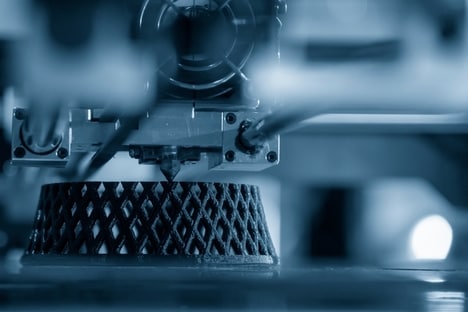

Ottobock launched iconiq, a 3D-printed silicone prosthetic liner, debuting at OTWorld in Leipzig and beginning a gradual global rollout. The liner sits between a user’s residual limb and prosthetic socket, featuring variable thickness profiles and a manufacturing process based on a standard 3D scan that eliminates the need for mould construction.
Clinicians upload scan data and select design options through Ottobock’s ordering platform, which transfers specifications directly to the company’s production facility for additive manufacturing. The process accounts for individual anatomy, sensitive areas and scar tissue, creating a more personalized fit than traditional off-the-shelf liners.
For prosthesis users, iconiq is designed to improve fit and comfort for active adults and children with a mobility grade of 2 and above, addressing a challenge that Ottobock says affects 68% of wearers. By industrializing customization through additive manufacturing, the company aims to make personalized prosthetic care more widely accessible.
Image Credit: Ottobock
Why This Trend Is Growing
- Scan-based Prosthetics
- Digital limb scans are replacing mold-based workflows with data-driven fitting processes that make personalized prosthetic components faster, cleaner and more scalable.
- Additive Medical Customization
- 3D printing enables variable material thickness and anatomy-specific designs, creating new potential for mass-customized medical devices that balance comfort, precision and production efficiency.
- Connected Clinical Ordering
- Clinician-facing ordering platforms link patient data directly to manufacturing systems, expanding the role of software infrastructure in personalized device delivery.
Industries Being Reshaped
- Prosthetics
- The prosthetics sector is being reshaped by digitally manufactured liners and sockets that address comfort gaps while supporting broader access to individualized mobility solutions.
- Medical Devices
- Personalized additive production introduces new device categories where fit, function and patient-specific anatomy become core differentiators in regulated healthcare markets.
- Digital Health
- Cloud-based scan uploads and configurable design tools position digital health systems as essential connectors between clinical assessment, manufacturing and patient outcomes.