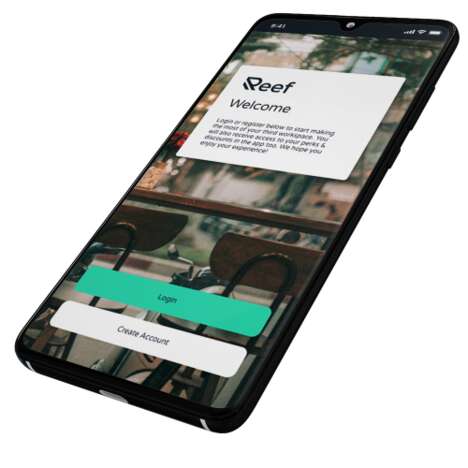
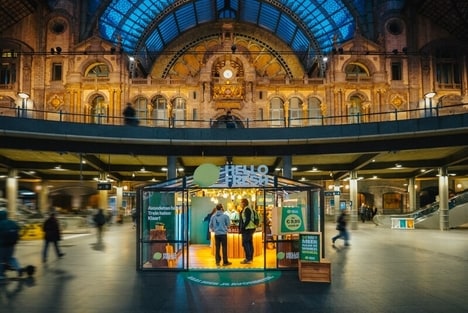
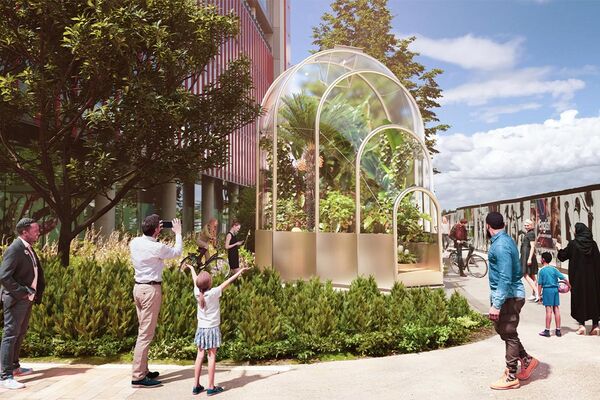
The concept of the 15-minute city is growing in popularity as consumers are emphasizing a desire for the hyper-local. As a result, many retail institutions are prioritizing car-free access, while governments and companies are planning for more accessible neighborhoods. One such business is Reef Technology which wants to harness "the Power of Proximity" to "create a network of neighborhood hubs to bring you the goods and services you want, faster than ever before.
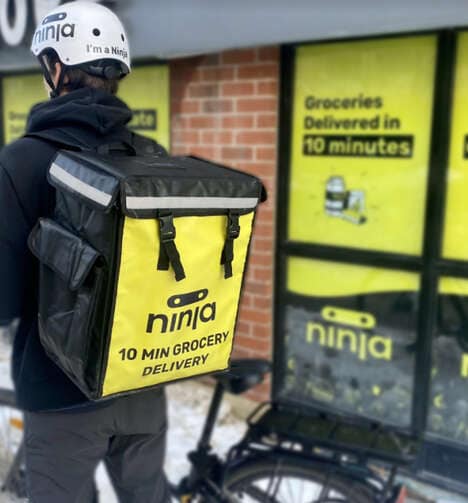
In order to "bring the world closer together," Reef is partnering with micro-fulfillment brands, e-bikes, pop-up clinics, and urban farming and creating a functional and convenient ecosystem of its 4,500 locations. The 15-minute city provides opportunities for healthier and happier communities that can expand with minimal capital, reduce congestion, get faster delivers, and so on.
Image Credit: Reef Technology
Why This Trend Is Growing
- Hyper-local Retail
- Potential disruptive innovation opportunities include the development of car-free access and the integration of micro-fulfillment brands in neighborhood hubs.
- Eco-friendly Transportation
- Opportunities for disruptive innovation can be found in the implementation of e-bikes and other eco-friendly modes of transportation to enhance accessibility within the 15-minute city.
- Urban Farming
- The concept of the 15-minute city opens up possibilities for disruptive innovation in urban farming, allowing for the creation of sustainable and locally-sourced food options within neighborhood hubs.
Industries Being Reshaped
- Retail
- The retail industry can explore disruptive innovation through the prioritization of car-free access and the integration of micro-fulfillment brands in neighborhood hubs.
- Transportation
- The transportation industry has an opportunity for disruptive innovation by focusing on the development and implementation of eco-friendly modes of transportation within the 15-minute city.
- Agriculture
- The agriculture industry can embrace disruptive innovation by exploring urban farming techniques and providing sustainable, locally-sourced food options within neighborhood hubs.