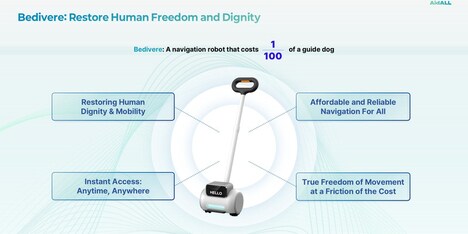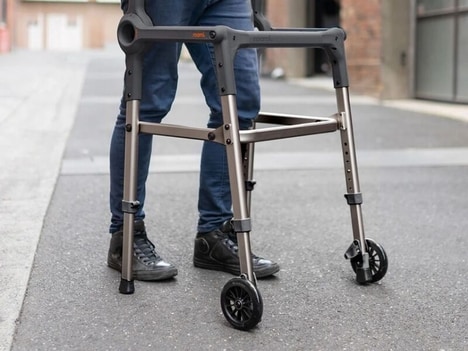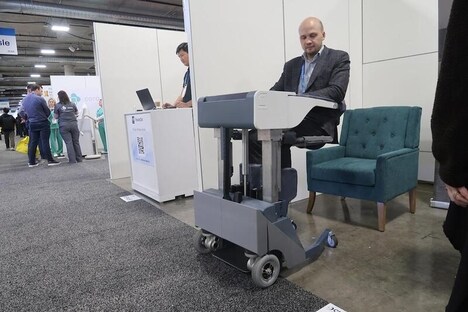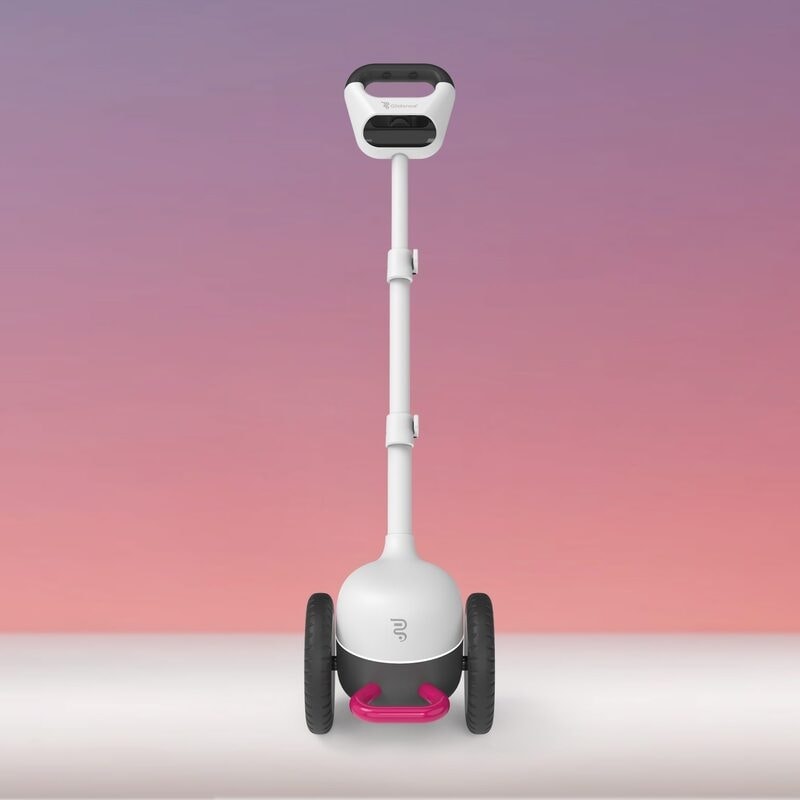
Glidance has developed a novel assistive device named Glide, a wheeled robotic aid engineered to provide physical guidance for individuals who are blind or have low vision.
This innovation functions as an autonomous mobility tool. It utilizes artificial intelligence, sensors, and a tactile handle to navigate users around obstacles, maintain a straight path, and locate specific destinations both indoors and outdoors. The wheeled robotic aid is designed to be intuitive. It responds to gentle pressure and provides feedback through haptic vibrations and audio cues. Glindance also emphasizes the durable, all-terrain construction of Glide and its capability to receive ongoing software enhancements.
Individuals within the blind and low vision community would be profoundly interested in this product as it proposes a significant paradigm shift in independent travel.
Image Credit: Glidance
Key Themes Behind This Trend
- AI-powered Mobility Solutions
- Autonomous navigation tools are emerging with advanced AI capabilities to enhance the mobility of people with visual impairments.
- Interactive Haptic Feedback Systems
- Devices utilizing haptic feedback are reshaping user interaction, offering real-time tactile information to navigate complex environments.
- Sustainable All-terrain Assistive Devices
- The development of all-terrain assistive technology offers durable and adaptable mobility solutions for diverse outdoor and indoor environments.
Where This Applies
- Assistive Technology
- Innovations in assistive devices are disrupting traditional support methods by incorporating intelligent robotics and sensory feedback mechanisms.
- Artificial Intelligence
- The AI industry sees expanding applications with the integration of machine learning in robotics for autonomous assistance.
- Consumer Electronics
- The consumer electronics sector is enhancing product offerings through advanced sensory technologies that redefine user experience for visually impaired individuals.