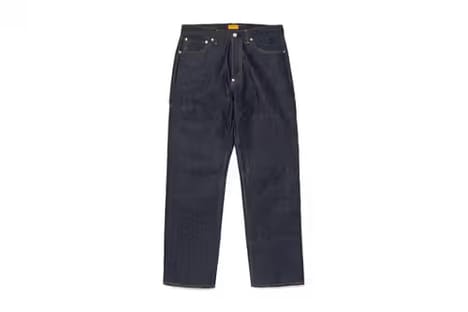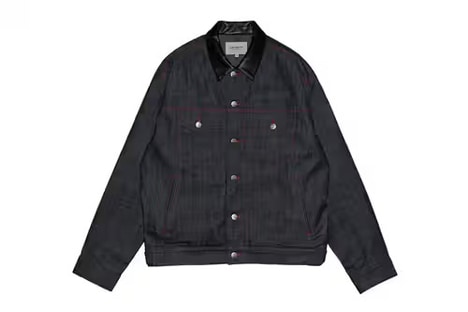
Human Assembly has unveiled a new clothing collection developed around traditionally woven Japanese fabrics. This continues the brand's practice of allowing textile characteristics to inform garment silhouette and construction.
The new pieces are designed with clean lines and balanced proportions that highlight the natural texture, softness, and subtle color variations of the traditionally woven Japanese fabrics. As such, the garments favor a gentle fluidity intended for ease of movement and daily wear.
By sourcing fabrics produced through historical weaving methods, Human Assembly aims to support the continuation of artisan techniques while creating garments meant to develop character and remain relevant beyond seasonal fashion cycles. All in all, the collection reflects an approach that prioritizes material integrity and thoughtful construction as extensions of cultural storytelling and preservation.
Image Credit: Human Assembly
Key Themes Behind This Trend
- Material-centric Garment Design
- A focus on letting fabric properties dictate silhouette and construction creates opportunities for garments that age narratively and blur the line between clothing and textile art.
- Heritage-weaving Revival
- Resurgence of historically woven textiles points to scalable models for integrating artisan craft with contemporary production systems that preserve skills while reaching global markets.
- Timeless Capsule Collections
- Prioritizing durability and seasonless aesthetics enables new value propositions around long-lived wardrobes and ownership models that contrast fast-fashion turnover.
Where This Applies
- Apparel Retail
- Retail formats that foreground fabric provenance and tactile storytelling could redefine consumer expectations for transparency and product lifespan.
- Textile Manufacturing
- Manufacturers combining traditional weaving techniques with low-impact, small-batch production methods may disrupt volume-driven supply chains through premium artisanal output.
- Cultural Heritage Services
- Platforms documenting and monetizing artisan knowledge alongside product lines create avenues for sustainable cultural preservation tied to commercial demand.