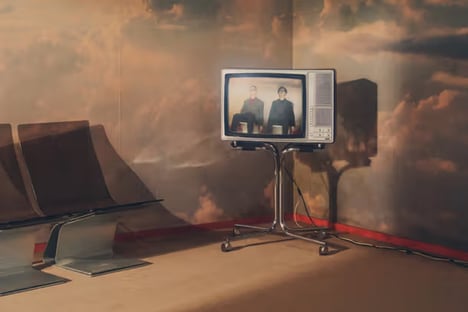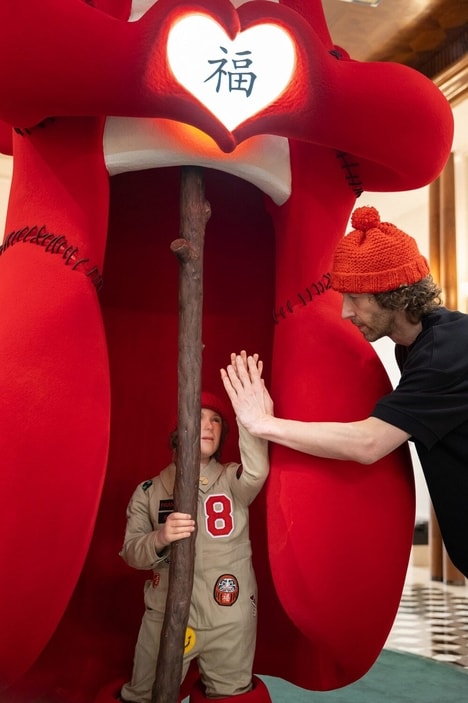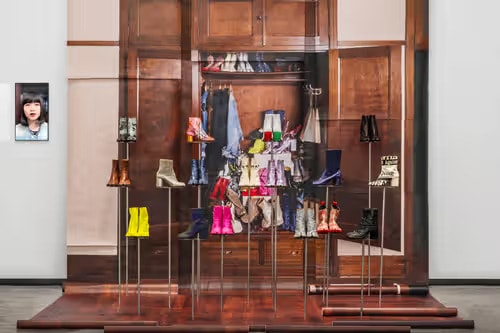
Maison Margiela’s Tabi: Collectors Exhibition presents an immersive display dedicated to the brand’s split-toe shoe at the Third Avenue Art Museum in Chengdu. The exhibition brings together the personal archives of nine global collectors, each presenting reconstructed wardrobes through large-scale photography, mannequins, and original footwear. The installation includes rare, customized, and worn-in Tabi designs spanning multiple decades, with variations in leather treatments, finishes, colors, and structural modifications across different models. Archival references trace the silhouette from its 1989 debut through successive reinterpretations in both runway and everyday contexts.
Maison Margiela’s exhibition forms part of the MaisonMargiela/folders initiative staged across multiple cities in China. The Chengdu presentation includes a central café space, retail components, and curated displays arranged across themed zones. The exhibition runs from April 9 to April 13 with daily public access at the museum.
Image Credit: Maison Margiela
What's Driving This Trend
- Archive-driven Brand Storytelling
- Leveraging personal and historical archives to construct immersive narratives creates novel ways for brands to monetize heritage and deepen emotional connection with audiences.
- Collector-curated Exhibitions
- Private collectors acting as curators introduces decentralized provenance-based programming that can redefine exhibition authority and value attribution.
- Hybrid Retail-exhibition Spaces
- Combining cafe, retail, and curated display zones fosters a blended commerce-and-culture format that shifts consumer expectations around shopping and leisure.
Who This Affects Most
- Luxury Fashion
- Maison Margiela–style archival showcases suggest opportunities for luxury houses to create high-margin experiential offerings anchored in limited access and provenance storytelling.
- Museum & Cultural Institutions
- Museums partnering with brands and collectors could unlock new funding models and audience segments by hosting pop-up, brand-led curatorial programs.
- Experiential Retail
- Retail environments that integrate exhibition-grade displays and hospitality elements indicate potential for transformational store formats that prioritize time-based engagement over transactional throughput.