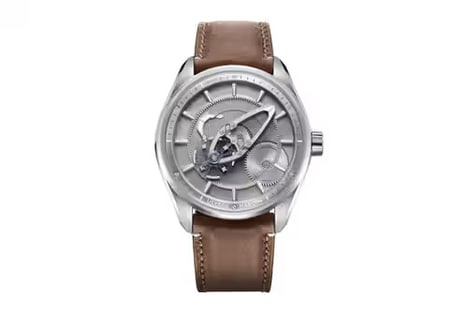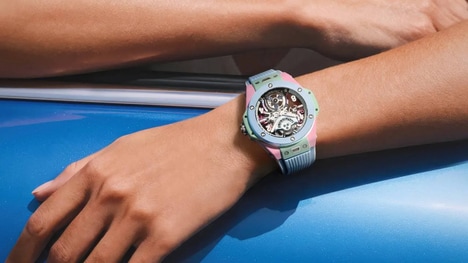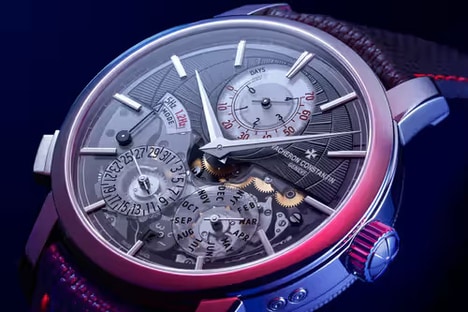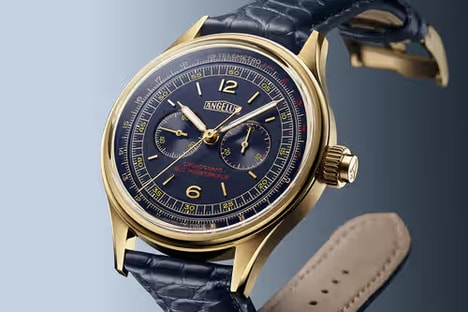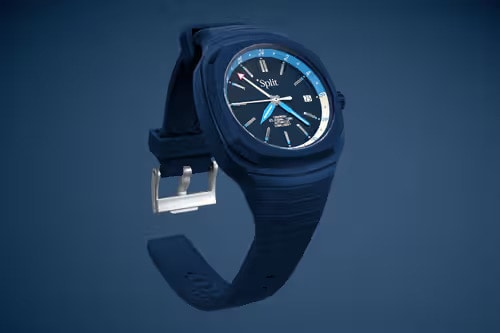
Split GMT is the latest watch from London-based Split Watches and marks the brand's debut in the United States market. The 40mm timepiece is powered by the Miyota 9075 automatic movement, which features a true GMT complication that allows independent adjustment of the local-hour hand. Founded by Ed Margulies and Dara Amjadi, the brand approaches watchmaking through references to music, culture, and personal storytelling rather than traditional luxury conventions. The watch is available in four colorways including beige, blue, black, and green.
Each version draws inspiration from locations connected to the United Kingdom and the United States, including the Hudson River, the Mississippi Delta, and Birmingham's River Rea. The design also incorporates Split Watches' distinctive hand arrangement set to 7:23, a visual detail intended to support conversations around mental well-being.
Image Credit: Split, hypebeast
Key Themes Behind This Trend
- Story-driven Horology
- Independent watch brands are differentiating through cultural references, founder narratives, and personal symbolism that create emotional value beyond conventional luxury status.
- Accessible True-gmt Watches
- Affordable automatic GMT movements are expanding the market for travel-ready mechanical watches with functionality once concentrated in higher-end segments.
- Wellness-linked Design Cues
- Subtle product details tied to mental well-being are turning everyday accessories into conversation starters that blend style, identity, and social awareness.
Where This Applies
- Luxury Watches
- Emerging microbrands are reshaping premium timepieces by pairing mechanical credibility with localized storytelling and more approachable pricing structures.
- Travel Accessories
- Dual-time functionality and geography-inspired aesthetics are creating crossover potential for products that serve frequent travelers while signaling personal connection to place.
- Mental Wellness
- Consumer goods with embedded well-being references are broadening mental health engagement through discreet, design-led touchpoints in lifestyle categories.