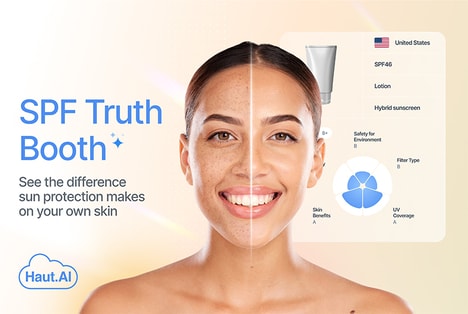
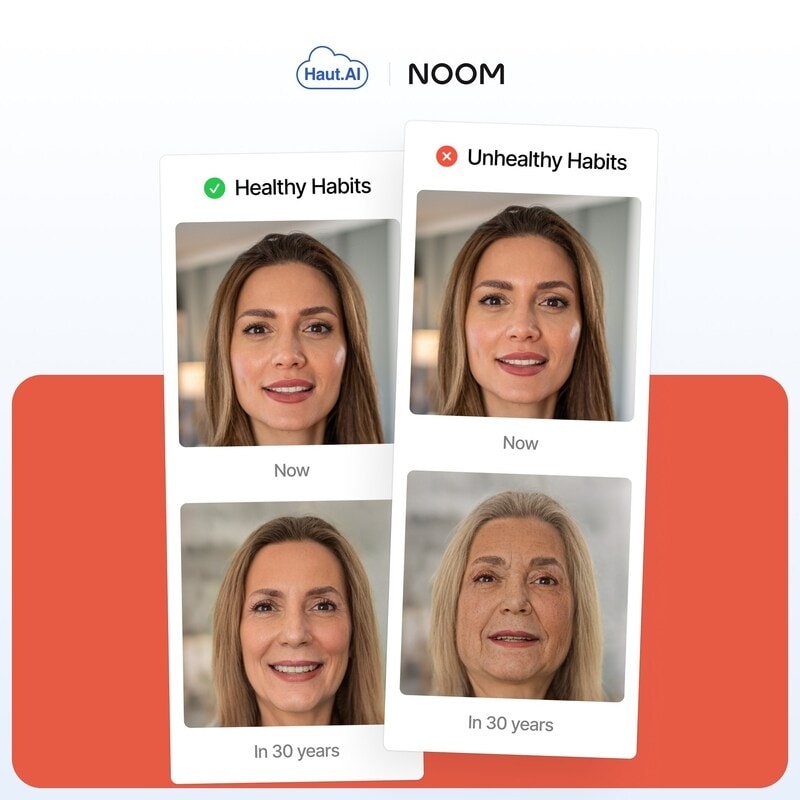
Many people don’t think much about preventative skincare until subtle signs of damage or aging begin to appear, and Haut.AI announced the launch of SkinGPT's Aging Model, which lets people compare two versions of their future self—one shaped by healthy habits and another impacted by poor dietary, exercise, and skincare choices.
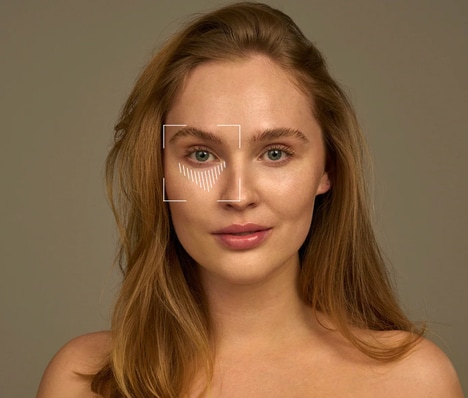
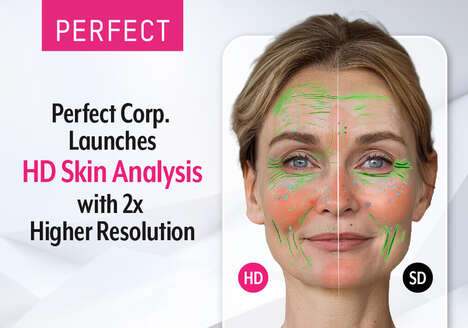
SkinGPT's Aging Model makes the most of generative AI technology that can realistically simulate up to 40 years of skin aging under different lifestyle and environmental conditions. Unlike generic filters, SkinGPT preserves facial identity to ensure photo-realism, and offers two modes: Skin Aging Mode (only dermatological changes) and Full-Face Aging Mode (featuring graying hair, UV exposure, and weight-related effects.)
Digital health platform Noom is the first partner to bring this GenAI innovation to its community, revealing how today's decisions directly impact long-term health and appearance.
What's Driving This Trend
- Personalized Aging Simulators
- Generative AI is used to create hyper-realistic aging simulations personalized to an individual's lifestyle and health choices.
- Preventative Skincare Technology
- The use of AI-driven predictive modeling in skincare allows individuals to visualize and mitigate future skin damage through informed lifestyle changes.
- Enhanced Health AI Visualizations
- AI advancements offer dynamic visual representations of how various health and lifestyle factors affect long-term appearance and well-being.
Who This Affects Most
- Digital Health Platforms
- Integrating AI-powered aging simulations in digital health ecosystems enhances user engagement and provides actionable insights for long-term health management.
- Beauty and Personal Care
- The beauty industry is revolutionized by AI technologies that allow consumers to foresee the long-term impact of skincare choices.
- Artificial Intelligence in Healthcare
- AI's role expands in healthcare with innovative applications for simulating physical changes and preventative care forecasting.