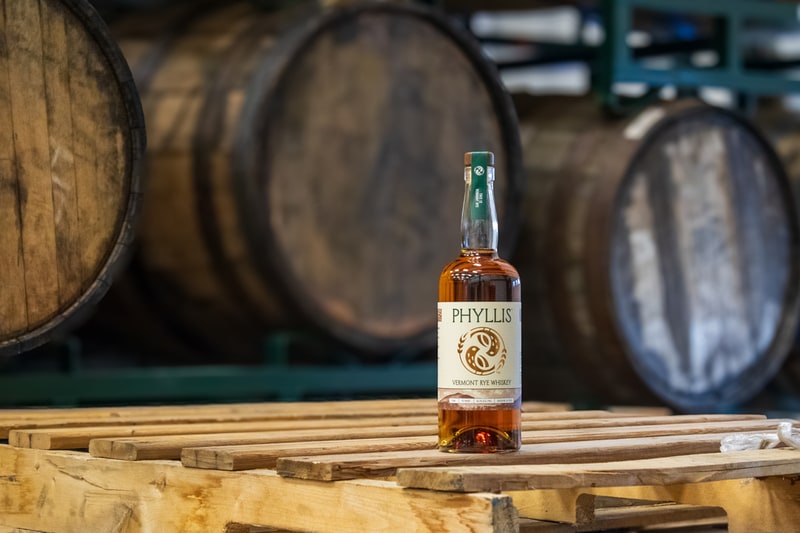
Caledonia Spirits, a distillery recognized for its Barr Hill Gin, has officially introduced a new, permanent rye whiskey to its product range — the Phyllis Rye. This spirit represents a significant development for the company, as it marks the culmination of over a decade spent aging and refining its whiskey-making process.
The Phyllis Rye Whiskey is characterized by its use of locally sourced grains, with a specific focus on winter rye, which is noted for its flavor profile and agronomic benefits for soil health. Its mashbill consists of 84% winter rye and 16% barley. Caledonia Spirits further emphasizes a production philosophy centered on environmental responsibility, as the distillery incorporates solar power and a transparent supply chain.
Thus, the newly launched Phyllis Rye stands as "a spirit that embodies patience, Vermont craftsmanship, and sustainable agriculture."
Image Credit: Caledonia Spirits
What Makes This Trend Stand Out
- Local Grain Sourcing
- Leveraging locally sourced grains like winter rye can revolutionize supply chains by prioritizing regional agriculture and sustainability.
- Sustainable Distillation Practices
- Innovative distillation practices incorporating renewable energy sources like solar power are reshaping how environmentally conscious spirits are produced.
- Transparent Production Processes
- The rise of transparent supply chains in distilleries offers consumers an in-depth understanding of ingredient origins and production ethics.
Sectors Adopting This
- Craft Spirits
- The craft spirits industry remains fertile ground for distilleries that focus on unique, locally inspired products with a commitment to sustainability.
- Agricultural Technology
- Advancements in agritech can bolster the spirits industry through enhanced crop efficiency and soil health improvements using crops like winter rye.
- Renewable Energy
- Integrating renewable energy into production processes presents compelling opportunities for industries seeking to reduce carbon footprints and enhance sustainability credentials.