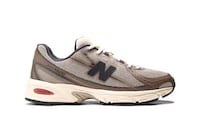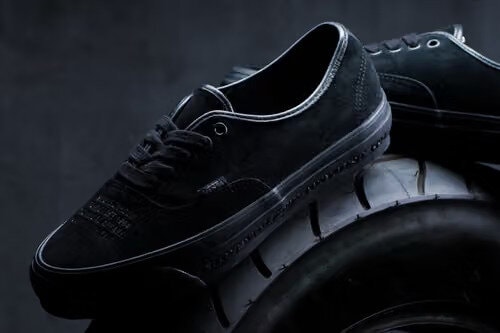
The OTW by Vans x NEIGHBORHOOD Authentic 44 reworks Vans' classic low-top silhouette with premium materials and understated detailing. A premium cow suede upper replaces the traditional canvas construction, while tonal stitching and a monochrome color palette create a clean, uninterrupted profile. Debossed branding across the toe box features NEIGHBORHOOD's signature typography, complemented by "CRAFT WITH PRIDE TOKYO EST. 1994" embossed into the vulcanized foxing tape.
Premium details continue with a woven co-branded tongue label, leather heel tab, and leather binding that elevate the classic skate silhouette. Inside, a plant-derived Sola Foam ADC (All-Day Comfort) insole updates the shoe for everyday wear, while Vans' signature waffle outsole and an exclusive OTW heel scab complete the collaborative design.
Image Credit: Yudo Kurita
Part of the cluster
Sneaker Fusion
Footwear brands are enhancing athletic designs with fashion, heritage & convenience
Explore the cluster

Key Themes Behind This Trend
- Monochrome Skatewear
- Minimal single-color palettes give heritage skate silhouettes a premium fashion appeal while creating space for understated collaborations that balance street credibility with elevated design.
- Material-upgraded Classics
- Replacing familiar canvas builds with suede, leather, and refined finishing transforms recognizable footwear staples into collectible products with higher perceived value.
- Comfort-driven Heritage
- Plant-derived cushioning and all-day insoles modernize legacy sneaker formats by merging archival aesthetics with contemporary expectations for daily wearability.
Where This Applies
- Footwear
- Collaborative redesigns of iconic silhouettes allow sneaker brands to extend product lifecycles while appealing to collectors, skaters, and lifestyle consumers.
- Streetwear
- Quiet branding, tonal styling, and subcultural references reflect a shift toward refined streetwear products that feel exclusive without relying on loud graphics.
- Sustainable Materials
- Bio-based foam components point to growing potential for comfort technologies that support performance needs while reducing reliance on conventional synthetic inputs.