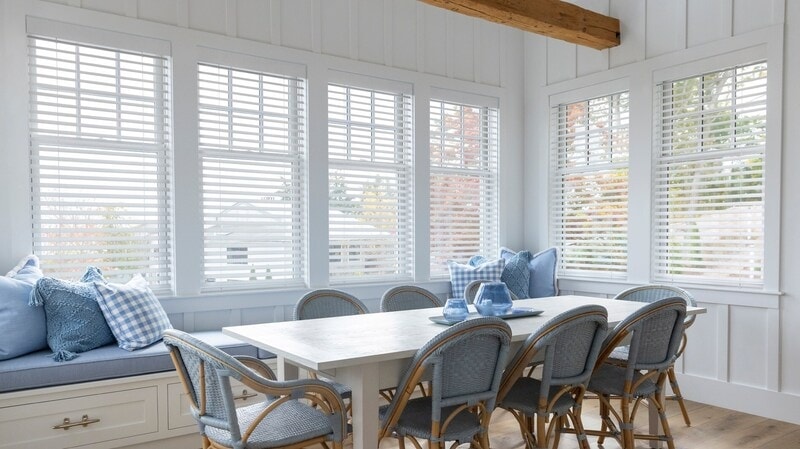
Lutron Electronics is expanding its Caséta smart home line with the introduction of automated wood blinds that incorporate a feature called Natural Light Optimization. This capability automatically adjusts the slat angle in response to the sun’s trajectory.
Lutron Electronics' Caséta blinds are constructed from basswood and are positioned as a do-it-yourself installation product within the brand’s ecosystem of lighting and shading controls. The automated tilt functionality addresses the common inconvenience of manually adjusting window coverings throughout the day to manage glare, heat gain, and privacy. The hands-free solution and its Natural Light Optimization can contribute to reduced reliance on artificial lighting and cooling systems. The use of real wood, on the other hand, provides an aesthetic appeal that synthetic smart blinds often lack.
Image Credit: Lutron Electronics
What Makes This Trend Stand Out
- Natural-light Optimization
- The Natural Light Optimization feature in automated blinds highlights the growing trend of integrating smart technology to enhance natural light control in residential spaces.
- DIY Smart Home Installations
- Do-it-yourself smart home products like Lutron's automated wood blinds demonstrate the increasing consumer interest in self-installable tech solutions.
- Sustainable Smart Home Solutions
- The use of real basswood in these automated blinds underscores a trend towards incorporating eco-friendly materials in smart home devices.
Sectors Adopting This
- Smart Home Technology
- The smart home industry is rapidly evolving with innovations like automated blinds that offer both convenience and energy efficiency.
- Residential Interior Design
- The introduction of aesthetically pleasing smart blinds provides new opportunities for blending technology with interior design.
- Home Automation
- Expanding capabilities such as automatic light optimization signal disruptive advancements in the home automation sector.