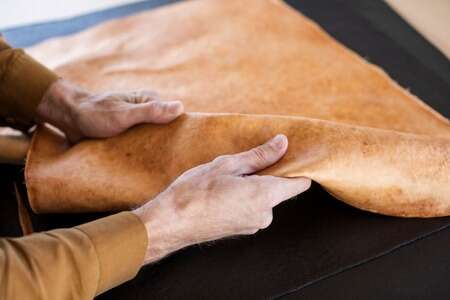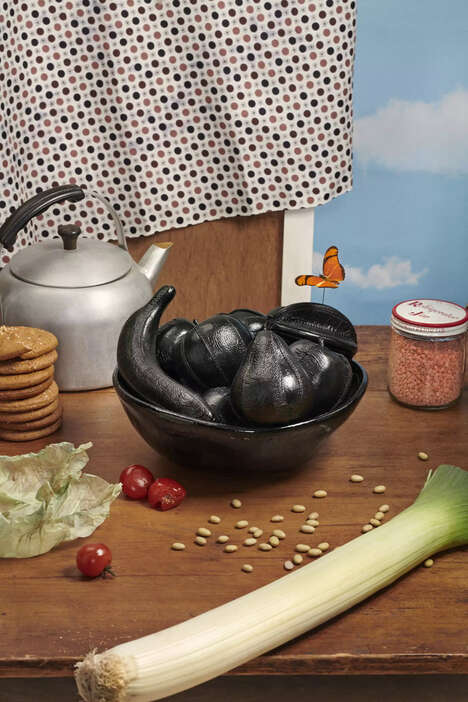
Mycoworks 'Reishi,' a groundbreaking material grown from mycelium, is redefining sustainable design by entering the world of interior furnishings. Following its high-profile debut with Hermès and multiple collaborations across the design and automotive industries, Reishi is now poised to revolutionize furniture production, starting with a partnership with Ligne Roset, a French luxury furniture maker.
This innovative material is grown in controlled environments to create durable, leather-like sheets, offering a plastic-free alternative with exceptional performance. Reishi’s efficiency is unparalleled -- its production minimizes waste compared to traditional leather, making it an eco-friendly choice for high-end applications. The material has already been showcased in creative projects like furniture at Design Miami Paris and even as a centerpiece at Denver's Populus Hotel.
With its first commercial-scale factory operational in South Carolina, Mycoworks is ready to meet growing demand across fashion, home furnishings, and automotive sectors. Reishi isn’t just a material -- it’s a movement toward a more sustainable future.
Image Credit: Mycoworks
What Makes This Trend Stand Out
- Mycelium-based Materials
- The development of mycelium-based materials like Reishi is driving sustainability in the interior design industry, offering eco-friendly alternatives to traditional resources.
- Plastic-free Alternatives
- Growing interest in plastic-free solutions is highlighted by the adoption of Reishi, which provides durable, leather-like options without the environmental impact of plastic.
- Eco-efficient Production
- The efficient production process of Reishi minimizes waste, pointing toward a future where sustainable practices are mainstream in high-end manufacturing.
Sectors Adopting This
- Luxury Furniture
- The luxury furniture industry is being transformed by the introduction of sustainable materials like Reishi, aligning high-end aesthetics with environmental responsibility.
- Automotive Interiors
- Reishi's entry into automotive interiors marks a shift towards using eco-friendly and innovative materials in vehicle design, catering to environmentally conscious consumers.
- Sustainable Fashion
- As Reishi gains popularity in the fashion industry, it supports a movement towards sustainable material usage, appealing to consumers focused on ethical and sustainable practices.