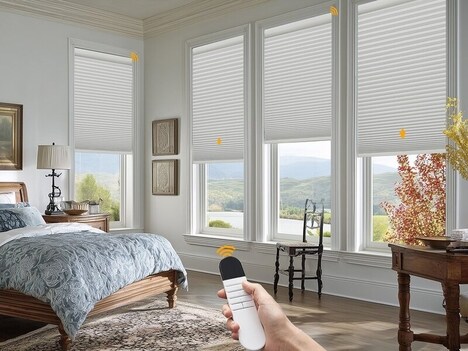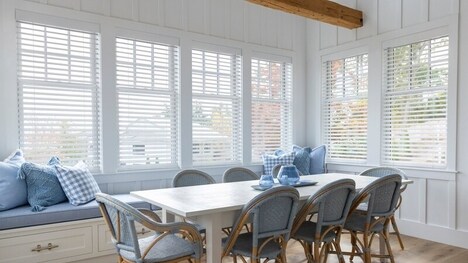
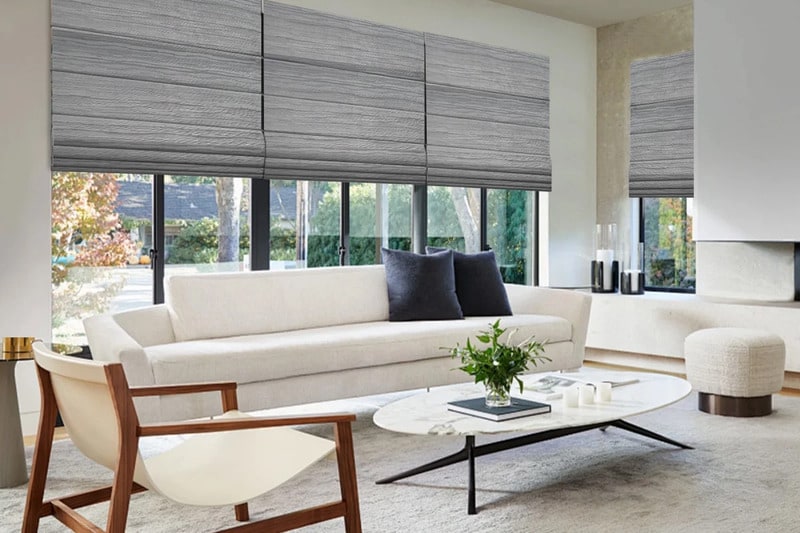
Smartwings introduced motorized window shades aimed at renters and homeowners, featuring built-in motors with optional small solar panels designed to keep the motors charged. The company supplied custom-cut Zebra and blackout fabrics that arrived as largely self-contained units, simplifying installation for a DIY-minded reviewer.
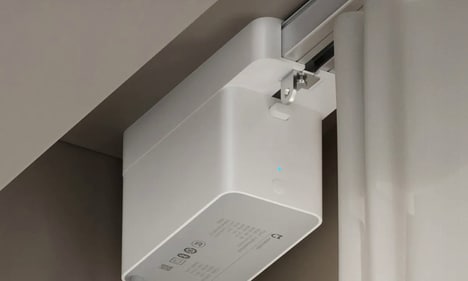
The shades are custom-made to order and offer a range of blackout levels, motor protocols and mounting styles, plus a required Smartwings remote for initial setup. The reviewer noted straightforward bracketed installs, a variety of motor connectivity options (Zigbee, Z-Wave, Matter/Thread compatibilities) and USB-C ports for manual charging when solar is absent.
For consumers, the system delivers quieter, slower motion and hotel-like light control, improving privacy and convenience while illustrating how smart-home fragmentation still complicates integration. The solar motor option reduces maintenance and the modular, plug-and-play packaging lowers the barrier for renters and DIYers to adopt motorized window treatments.
Image Credit: Smartwings
Why This Trend Is Growing
- Solar-powered Home Automation
- The integration of solar panels to charge window shade motors exemplifies a shift towards sustainable energy solutions within smart home technology.
- Plug-and-play Smart Devices
- The modular, self-contained design of these motorized shades highlights a trend towards simplifying user adoption within the home automation market.
- Interoperable Smart-home Systems
- Compatibility with multiple connectivity protocols like Zigbee and Matter showcases an effort to bridge gaps in fragmented smart-home ecosystems.
Industries Being Reshaped
- Smart Home Technology
- The development of solar-charged, motorized window shades is pushing the capabilities of connected home environments to become more eco-efficient and user-friendly.
- Renewable Energy Solutions
- By incorporating solar technology into everyday home devices, this industry finds new pathways to expand its market presence and reduce carbon footprints.
- DIY Home Improvement
- With user-friendly installation processes and rent-friendly designs, the DIY home market is witnessing expanding opportunities for smart product integration.