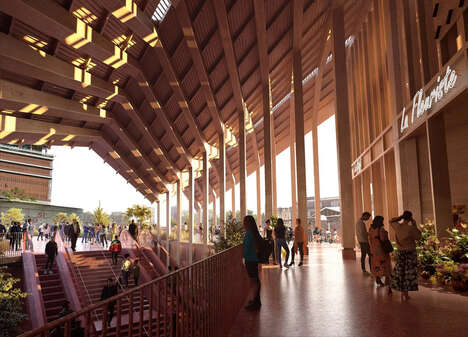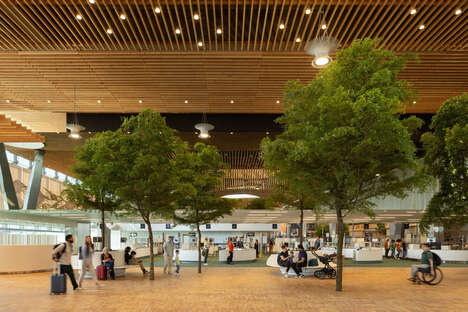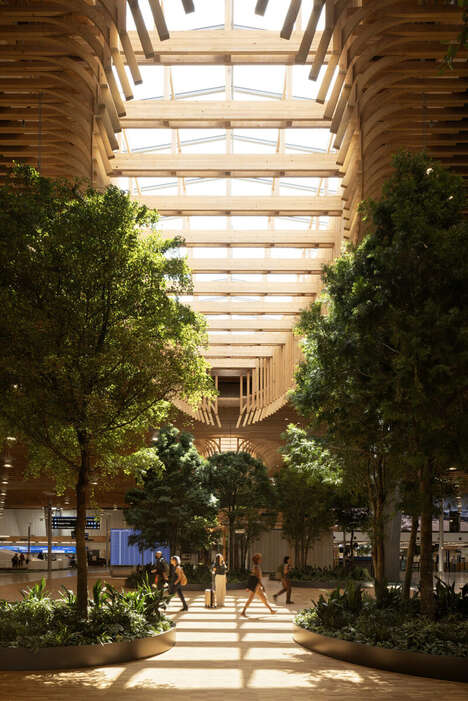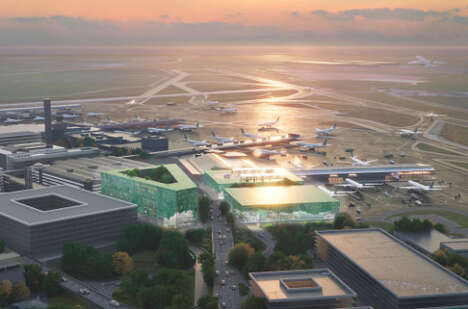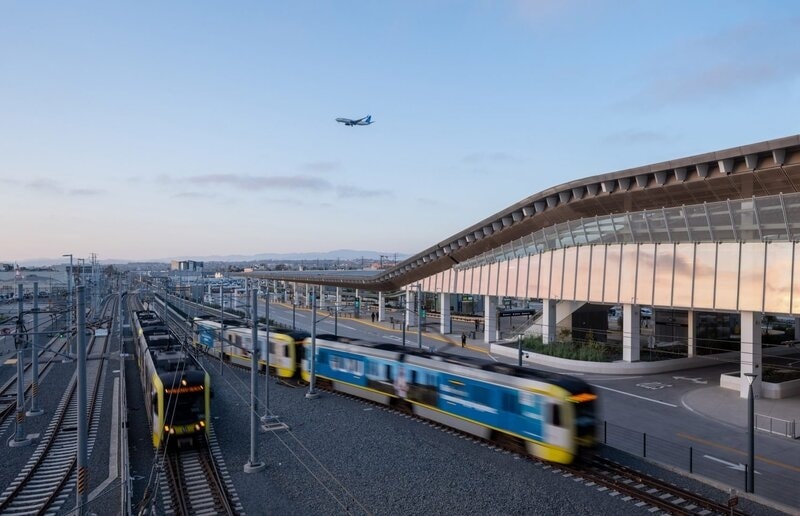
The Metro Transit Center Station links LAX to Metro’s C and K light rail lines, bus networks, bike paths, and a future automated people mover (APM). Designed by Grimshaw, Gruen Associates, and Arup, the 9.5-acre station opened on June 6, 2025, and features a soaring canopy, glass curtain walls, and skylit walkways. The layout includes rail platforms, bus bays, drop-off zones, and secure bike storage, all intended to ease airport access and reduce car reliance.
Sustainably designed, Metro Transit Center Station uses natural ventilation, shaded structures, and daylight harvesting to support its LEED Gold ambitions. It’s equipped for solar power, EV buses, and APM integration in 2026. With capacity for 5,000 passengers per hour and links to 14 bus lines, the hub is key to LA’s mobility upgrade ahead of the 2026 World Cup and 2028 Olympics.
Image Credit: Jason O'Rear
Why This Trend Is Growing
- Integrated Multimodal Transport
- The fusion of light rail, bus, bike, and automated people mover systems at transit hubs heralds a new era of cohesive urban transportation solutions.
- Sustainable Transit Architecture
- Innovative station designs that prioritize natural ventilation, solar energy, and daylight harvesting are reshaping the standards for eco-friendly public transit infrastructure.
- Smart Passenger Flow Management
- The capacity to smoothly handle high volumes of passengers with efficient layout and technology is key to future-proofing urban transit centers.
Industries Being Reshaped
- Public Transportation Infrastructure
- Significant advancements in integrated transit hubs are transforming how urban centers manage transportation and connectivity.
- Renewable Energy Solutions
- Eco-friendly transit stations can leverage solar power integration and energy-efficient designs to support sustainable urban development.
- Event-driven Urban Planning
- Upcoming major global events like the World Cup and Olympics are catalyzing rapid enhancements in city infrastructure to accommodate increased transit demands.