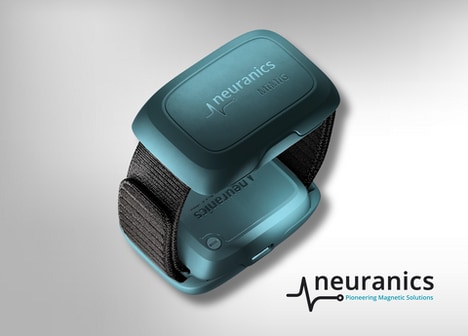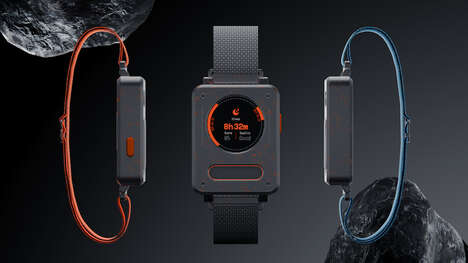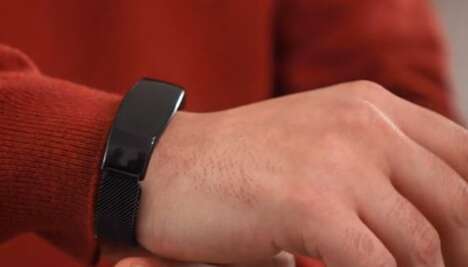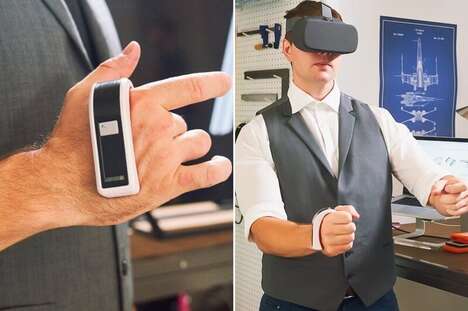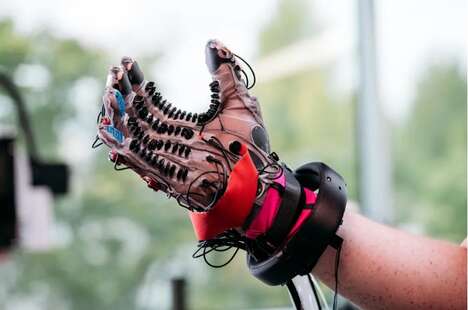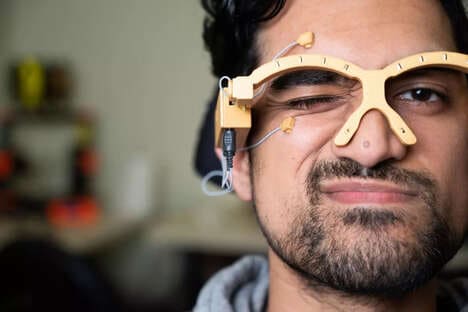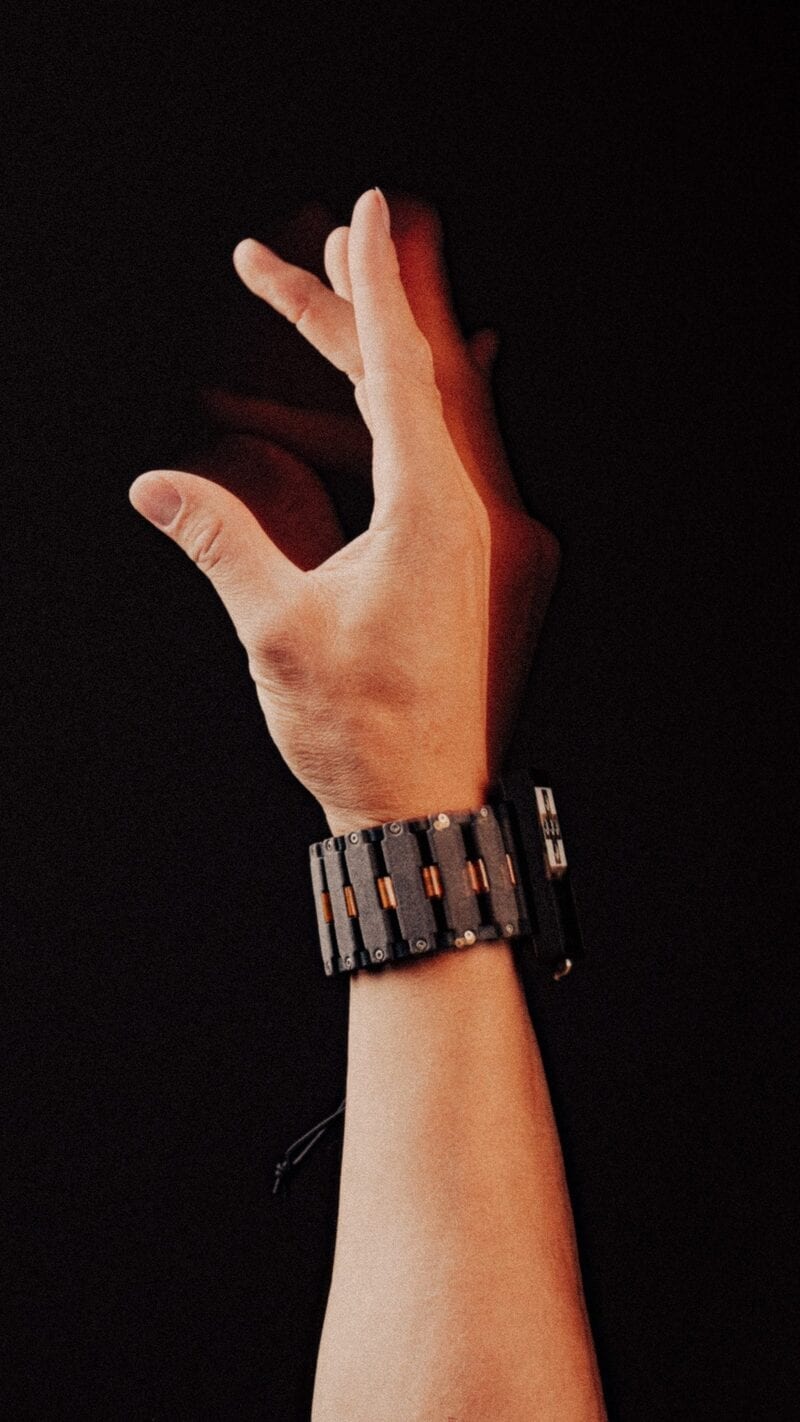
The Meta smart wristband debuts as a next-generation wearable designed to let users interact with digital devices through subtle hand gestures. Developed by Meta’s Reality Labs, the wristband uses electromyography (EMG) sensors to detect electrical signals from muscle movements, offering an intuitive, low-latency control method that may eventually replace traditional touchscreens, keyboards, or voice input.
This innovative interface is built to evolve with the user, learning and adapting over time to individual gestures and preferences. While still in development, Meta smart wristband aims to integrate seamlessly into future augmented reality systems like Meta’s planned AR glasses. By turning the hand itself into a control surface, the device promises to open up new ways of interacting with technology—quiet, precise, and entirely hands-free. It represents a significant step toward more natural, immersive computing experiences rooted in the body’s own signals.
Image Credit: Meta
Key Themes Behind This Trend
- Gesture-based Interactions
- Gesture-based interactions are emerging as a sophisticated method for device control, with EMG sensors providing an intuitive and responsive alternative to traditional inputs.
- AI-driven Adaptive Interfaces
- AI-driven adaptive interfaces promise to create personalized user experiences by learning and evolving with individual gestures, preferences, and behaviors over time.
- Seamless Augmented Reality Integration
- Seamless integration with augmented reality systems offers the intriguing possibility of wearable tech that enhances user experience by allowing interaction directly through natural hand movements.
Where This Applies
- Wearable Technology
- The wearable technology industry is on the cusp of transformation with devices like smart wristbands that redefine user interaction through innovative sensor technology.
- Augmented Reality
- Augmented reality stands to benefit significantly from new wearable interfaces, enabling a more immersive and natural experience through gesture-based control systems.
- Human-computer Interaction
- Human-computer interaction is advancing towards a more bodily intuitive era, focusing on harnessing the body's natural signals to enable fluid and hands-free communication with devices.