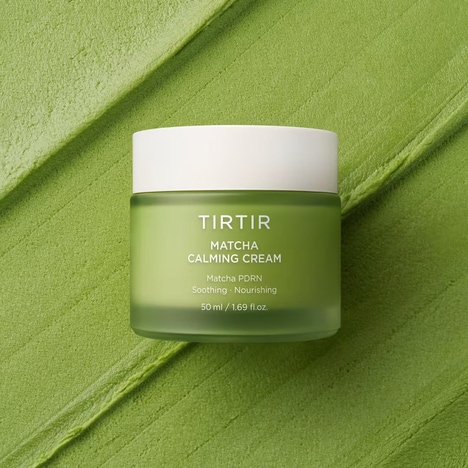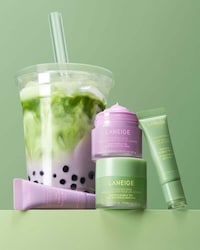
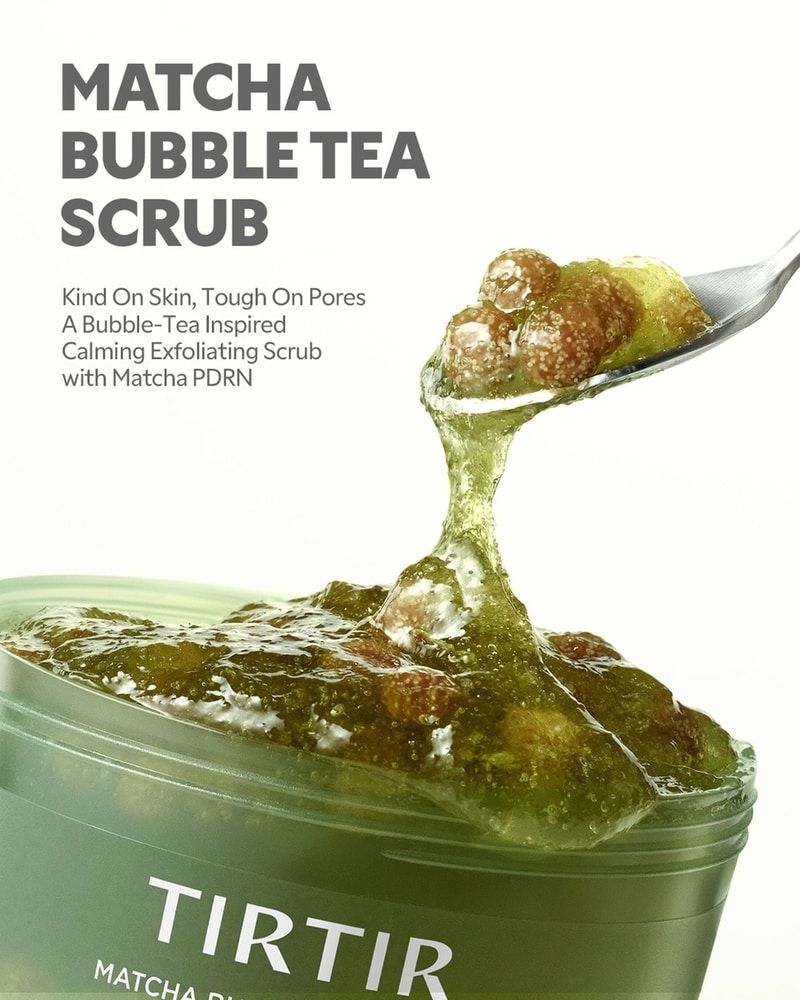
The sensorial qualities of boba have broken into the beauty industry, as seen in TIRTIR's Matcha Bubble Tea Scrub with matcha PDRN, bubble tea-inspired cellulose pearls and a konjac gel base.
Manually exfoliating bodycare products can range from too gentle to too rough, and the beauty of TIRTIR's Matcha Bubble Tea Scrub formula is that its intensity can be controlled. The dual-scrub's combination of plant-based, microplastic-free Matcha Cellulose Pearl Balls and a non-irritating Konjac Gel Scrub base means that users can opt to use one or both components to support everyday maintenance or a deep polish as part of an extensive weekly treatment.
The Matcha Bubble Tea Scrub is one part of a complete Matcha Line from TIRTIR, which also includes Matcha Tea Pads for instant redness relief and a soothing Matcha Skin Toner.
Why This Trend Is Growing
- Boba-inspired Textures
- Aesthetic and tactile cues from bubble tea are being translated into skincare formats that blend playful sensory engagement with functional exfoliation.
- Dual-intensity Exfoliators
- Products combining interchangeable or layered abrasive elements and gentler bases are enabling customizable exfoliation profiles for varied skin needs.
- Plant-based Microplastic-free Pearls
- Biodegradable cellulose pearls derived from plant sources are replacing synthetic microbeads, offering eco-conscious abrasive alternatives with tunable performance.
Industries Being Reshaped
- Beauty and Personal Care
- Formulation shifts toward sensory-led, multi-modal products create room for new SKUs that merge experiential novelty with clinically informed efficacy.
- Ingredient Suppliers and Biotech
- Demand for sustainable, functional texturizers and bioactive extracts opens pathways for suppliers to develop proprietary cellulose pearls and stabilized PDRN derivatives.
- Retail Experience and Packaging
- Immersive in-store demos and packaging that highlights texture play and customization potential are influencing purchasing decisions and brand differentiation.