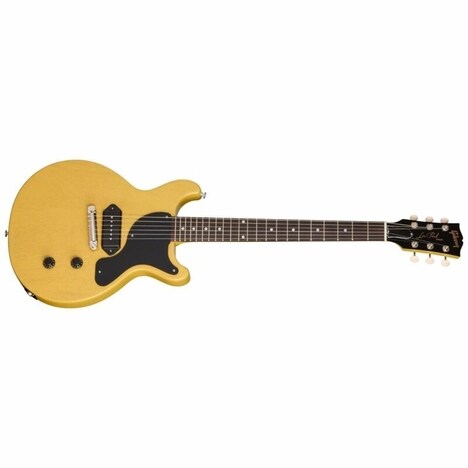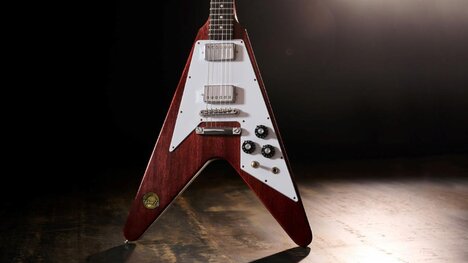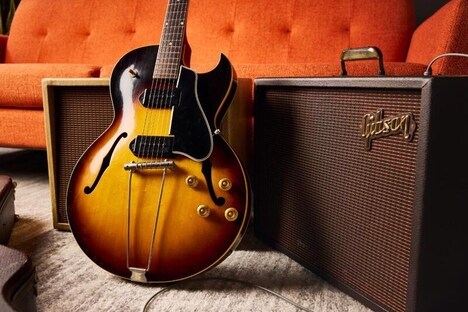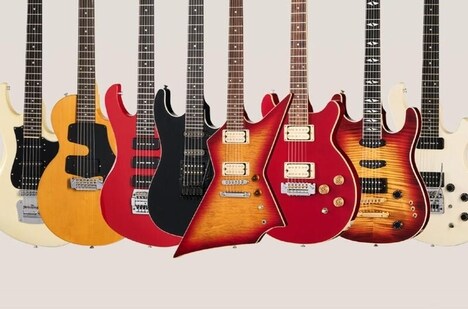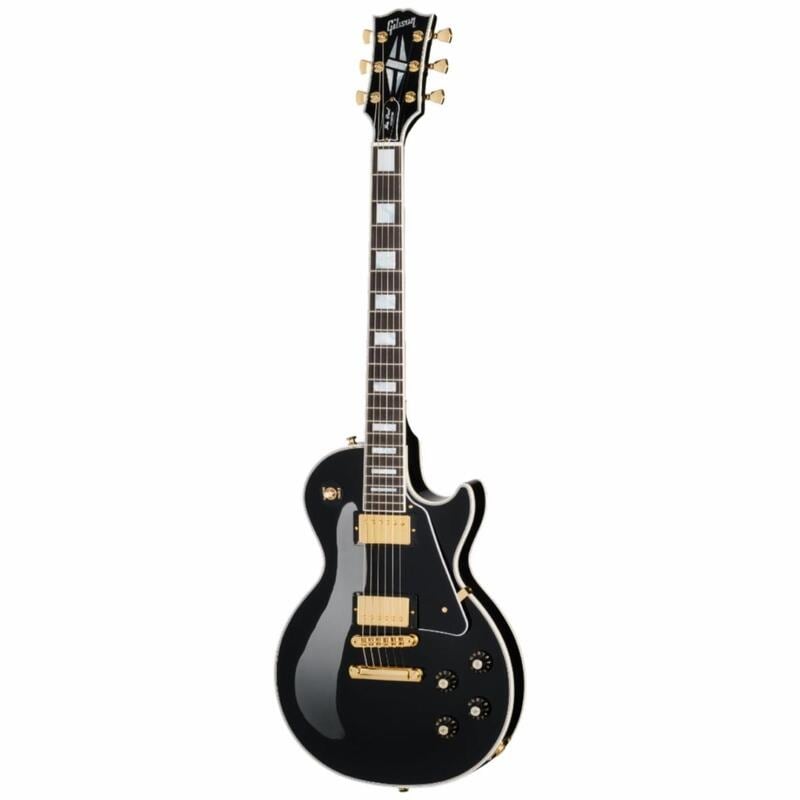
Gibson has reintroduced a historically significant model to its core product line — the Les Paul Custom 70s. This release marks a half-century since the company established its primary manufacturing facility in Nashville.
This particular guitar design, which had been exclusively available through the company's custom shop for approximately twenty years, is now being produced for a wider market. The specifications of the contemporary Les Paul Custom 70s are intended to reflect the features characteristic of its 1970s predecessors. The body is constructed from mahogany with a multi-layered maple top and features a distinctive headstock reinforcement, alongside "an aluminum Nashville Tune-O-Matic bridge, an aluminum Stop Bar tailpiece, and smooth-turning Grover® Rotomatic® with Keystone button tuners for reliable tuning stability."
The model is offered in four distinct color finishes and is accompanied by a protective case.
Image Credit: Gibson
Key Themes Behind This Trend
- Retro-design Revival
- The resurgence of historically significant guitar models like the Les Paul Custom 70s highlights a growing consumer interest in vintage-inspired designs.
- Mainstream Accessibility
- Gibson's decision to expand production of the Les Paul Custom 70s beyond its custom shop indicates a trend of making exclusive designs more accessible to a wider audience.
- Heritage Craftsmanship
- The detailed homage to 1970s craftsmanship in modern guitar production points to a burgeoning market for products that celebrate legacy and skilled artistry.
Where This Applies
- Musical Instrument Manufacturing
- The reintroduction of iconic models like the Les Paul Custom 70s suggests innovation opportunities in merging historical designs with contemporary production techniques.
- Nostalgia-driven Retail
- This expanding market for nostalgia-driven products provides opportunities for retailers to cater to consumers' growing appetite for retro-themed merchandise.
- Luxury and Collectibles
- The high demand for historically inspired musical instruments opens avenues for the luxury collectibles sector to tap into the desire for unique, heritage-linked pieces.