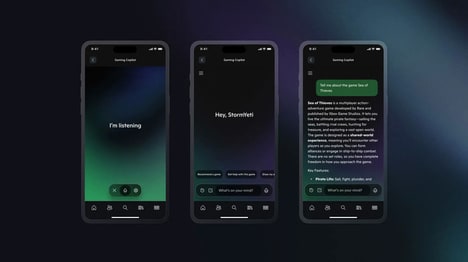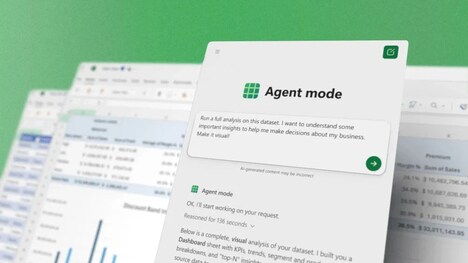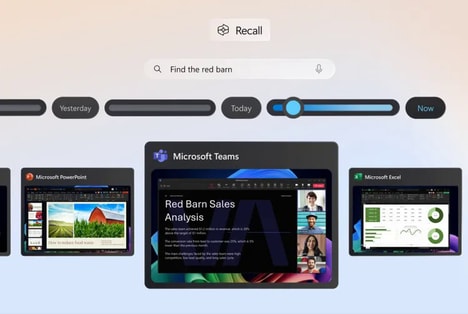
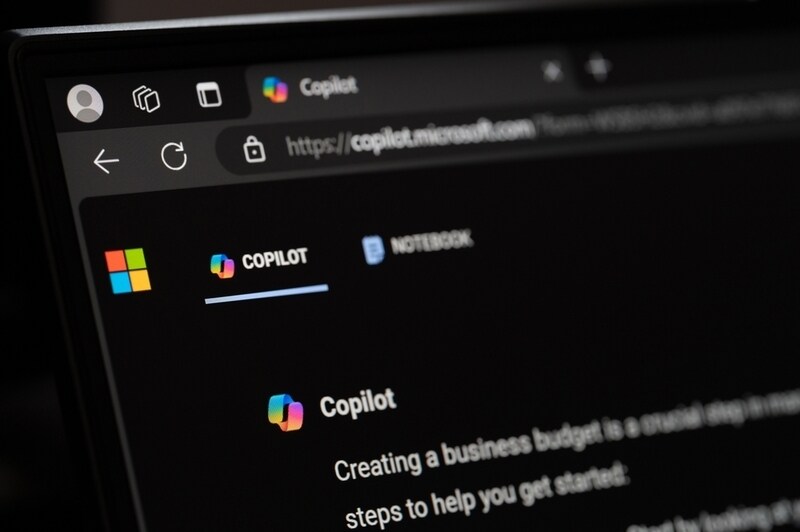
Hey Copilot is a voice‑activated assistant integrated into Windows 11 that enables hands‑free interaction with the operating system and connected applications through natural language commands. The feature supports wake‑word activation, conversational prompts for system tasks and content generation, and multimodal responses that combine voice, on‑screen summaries, and suggested follow‑up actions to streamline workflows such as creating documents, searching files, and controlling settings.
The assistant is designed to work alongside other Copilot capabilities and to surface contextual help based on active apps and user intent, including composing emails, scheduling, and basic troubleshooting, while offering controls for privacy, transcription, and microphone access. Deployment is staged by device compatibility and Windows update cycles, with configurable settings for voice input, accessibility, and enterprise policy management to align behavior with individual and organizational preferences.
Image Credit: PixieMe / Shutterstock.com
What's Driving This Trend
- Hands-free Operating Systems
- Integrating voice-activated assistants like 'Hey Copilot' in operating systems signifies a shift towards hands-free computing, enhancing accessibility and user interface efficiency.
- Multimodal User Interfaces
- The development of interfaces supporting multimodal responses merges voice interaction with visual feedback, creating seamless and intuitive user experiences across devices.
- Context-aware Digital Assistants
- Digital assistants that provide contextual help based on active tasks and user intentions can revolutionize personal productivity and enterprise workflow management.
Who This Affects Most
- Computer Software
- The computer software industry is ripe for innovation with the integration of voice-activated functionalities, enhancing user interaction and task automation on various platforms.
- Assistive Technology
- Assistive technology is advancing with voice-generated commands and multimodal responses, making systems more accessible for users with diverse needs and preferences.
- Artificial Intelligence
- AI's role in synthesizing natural language commands with advanced contextual understanding is transforming digital assistants into essential tools for both individual users and enterprises.