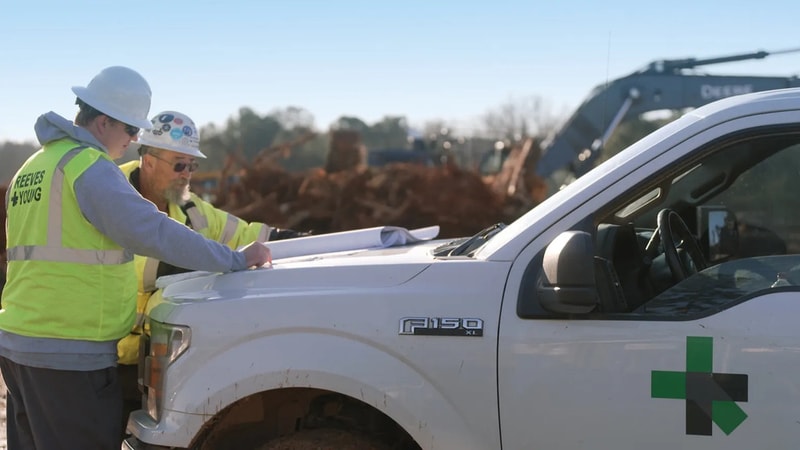
Ford introduced Ford Pro AI, an AI assistant for commercial fleets that monitors vehicle telematics and safety metrics, featuring seatbelt usage detection and fuel-consumption analysis. The system debuted at Work Truck Week in Indianapolis and was rolled out to U.S. Ford Pro telematics subscribers as part of the subscription service.
Built on Google Cloud and using multiple AI agents, Ford Pro AI ingests each customer’s fleet data to produce actionable alerts on idle time, speeding, acceleration events and vehicle health, not just raw diagnostic codes. Ford positioned the assistant to reduce hallucinations by relying on internal fleet data and integrates into the existing Pro telematics platform.
For fleet managers, the assistant aims to improve safety compliance and operating efficiency by surfacing seatbelt violations and fuel trends, which can lower costs and risk. As automakers push software-led services, Ford Pro AI illustrates how embedded AI features can turn telematics into recurring commercial value.
Image Credit: Ford
What's Driving This Trend
- Embedded Fleet AI
- Embedding AI agents directly into fleet systems creates opportunities for continuous, subscription-based safety and performance insights that shift value from one-time hardware to ongoing software services.
- Telematics-to-subscription Services
- Subscription models built on telematics data enable predictable revenue streams by turning diagnostic and operational metrics into monetizable, recurring features for fleet customers.
- Multi-agent Data Fusion
- Combining multiple AI agents to contextualize vehicle, driver and operational data produces richer, lower-error analytics that can displace single-source diagnostics and create new layered service offerings.
Who This Affects Most
- Commercial Fleet Management
- Fleet operators stand to be disrupted by platforms that provide real-time behavioral and health insights, enabling new benchmarking, compliance reporting and performance-based contracting models.
- Automotive Original Equipment Manufacturers
- OEMs integrating cloud-native AI and telematics can transform into software-led service providers, altering competitive dynamics through recurring revenue and deeper customer lock-in.
- Insurance and Risk Management
- Insurers can be reshaped by granular telematics and AI-derived safety signals that allow risk pricing based on actual driver behavior and real-time incident likelihood instead of historical proxies.