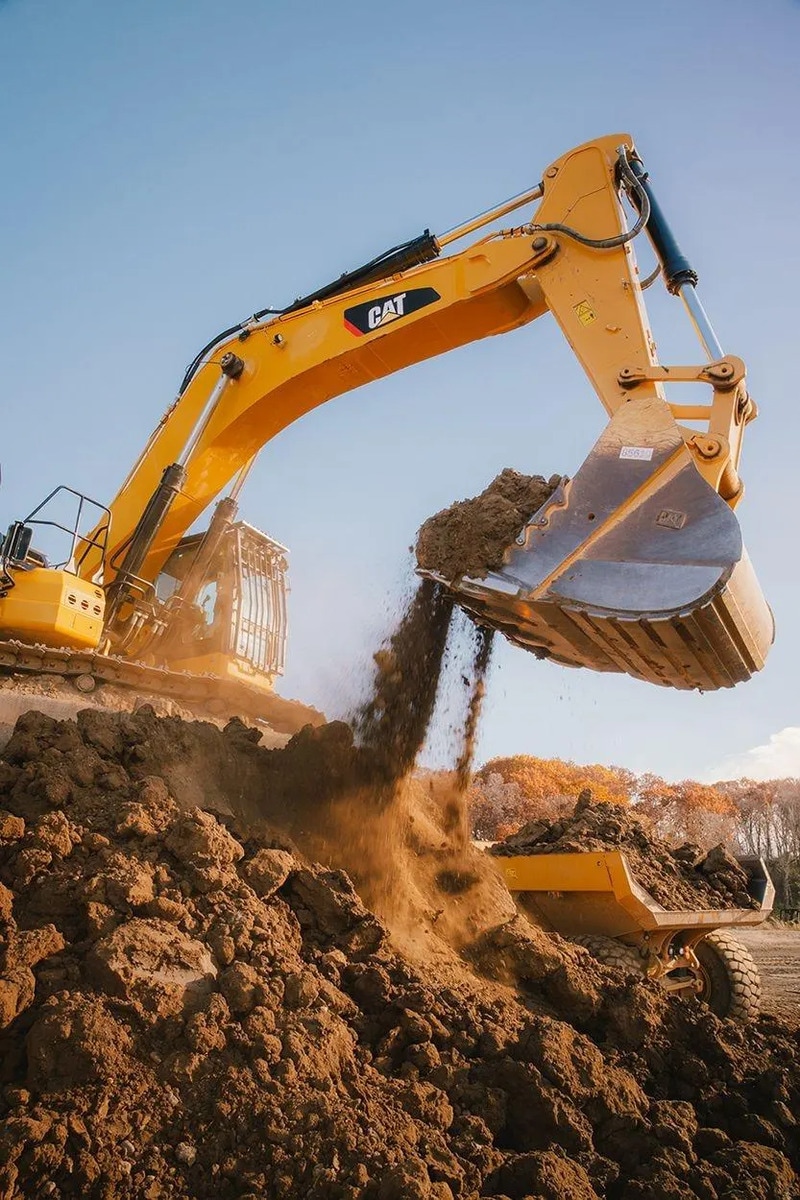
Caterpillar introduced an AI-driven suite at CES 2026 that retools heavy equipment and workflows, featuring the Cat AI Assistant™ designed to streamline operator interaction through natural language. The company’s CTO Jaime Mineart and CDO Ogi Redzic described how the system integrates with existing grade control, collision warnings and remote-control capabilities.
The rollout pairs edge computing and a full sensor stack—LiDAR, radar, cameras and GPS—with fleet orchestration and Level 4 autonomous mining hardware to coordinate excavators, haulers and graders across three-dimensional sites. Cat AI Assistant™ also taps a decade of connected-equipment telemetry from 1.6 million assets to surface maintenance priorities, parts needs and operator coaching.
For contractors and mine operators, this shift promises safer, more efficient work by reducing downtime, simplifying software complexity and enabling electrification through coordinated charging and routing. The approach matters because it makes autonomy and AI practical on messy, variable jobsites where traditional vehicle autonomy would fail.
Image Credit: Caterpillar Inc
Why This Trend Is Growing
- Conversational Jobsite Interfaces
- Natural-language control of heavy equipment reduces operator training complexity and shifts value toward software platforms that coordinate human and machine workflows.
- Sensor-fusion Edge Computing
- Converged LiDAR, radar, camera and GPS processing at the edge creates resilient perception stacks that enable autonomy in unstructured, variable jobsite environments.
- Fleet Orchestration for Electrified Assets
- Integrated fleet-level routing, charging and autonomy coordination transforms discrete machines into networked systems that optimize uptime and energy use across sites.
Industries Being Reshaped
- Construction and Mining Equipment Manufacturers
- Manufacturers are moving from mechanical product sales toward software-upgradeable platforms and recurring service models as AI assistants and autonomy become differentiators.
- Contracting and Site Management Services
- Contractors and site managers are positioned to reconfigure labor models and project planning around mixed human-autonomy teams and data-driven scheduling.
- Fleet Maintenance and Parts Supply
- Telemetry-driven maintenance forecasting and AI-surfaced parts needs are reshaping spare-parts distribution and aftersales service economics toward predictive, inventory-light operations.