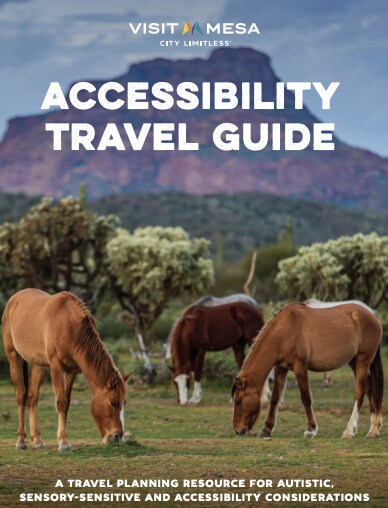
Visit Mesa has strengthened its position as an inclusive tourism destination through the introduction of a digital Accessibility Travel Guide. The tool consolidates information about barrier-free attractions, autism-certified venues, and specialized programs for travelers with diverse needs.
The digital Accessibility Travel Guide builds upon Mesa's distinction as the world's first Autism Certified City by providing verified details about wheelchair-accessible locations, sensory-friendly environments, and assistive technologies like visual interpretation services. The guide incorporates perspectives from neurodivergent individuals and their families during development, ensuring practical relevance for its target audiences.
Released during Autism Acceptance Month, Mesa's digital Accessibility Travel Guide reflects a strategic commitment to becoming a national leader in accessible tourism through strategic partnerships with certification programs and disability advocacy organizations.
Image Credit: Visit Mesa
What Makes This Trend Stand Out
- Digital Accessibility Tools
- The rise of digital accessibility tools is promoting travel inclusivity by offering comprehensive information for individuals with diverse needs.
- Neurodiversity-inclusive Tourism
- As the world's first Autism Certified City, Mesa highlights a trend towards integrating neurodiversity considerations in tourism experiences.
- Barrier-free Travel Experiences
- Travel destinations are increasingly focusing on creating barrier-free experiences, facilitated by technologies that certify and support accessibility.
- Partnerships with Certification Programs
- Collaboration with organizations providing certification can enhance destination appeal and credibility for inclusive tourism.
Sectors Adopting This
- Tourism
- The tourism industry is evolving to meet the needs of an underserved market by incorporating accessibility features for travelers with disabilities.
- Technology Development
- Technology firms have the opportunity to innovate with apps and tools that make detailed accessibility information widely available and user-friendly.
- Disability Advocacy
- There is potential for growth in partnerships between tourism entities and advocacy groups to promote accessibility standards and education.