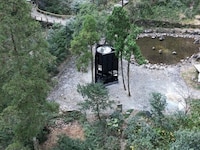

The San Antonio Zoo has inaugurated a new, extensive facility named Congo Falls. Designed as a residence for seven Western Lowland gorillas, the development marks the return of this species to the institution after a three-decade absence. The zoo positions this habitat as a state-of-the-art development that supports international wildlife preservation initiatives, specifically mentioning partnerships with global conservation groups focused on gorilla survival.
Congo Falls is a two-acre environment and comprises three separate areas that incorporate naturalistic elements such as vegetation, water features, and climbing structure. The design philosophy emphasizes creating a setting that stimulates the animals while also providing visitors with multiple vantage points to observe them.
A historically significant discovery of limestone from a quarry linked to the Alamo was made during the construction phase of Congo Falls, as well.
Image Credit: San Antonio Zoo
Why This Trend Is Growing
- Naturalistic Habitat Design
- The creation of lifelike animal environments exemplifies innovative approaches in zoo habitat design, enhancing both animal well-being and visitor experience.
- Wildlife Preservation Partnerships
- Collaborations with global conservation groups highlight strategic efforts to support endangered species and expand conservation impact beyond zoo walls.
- Sustainable Construction Practices
- The discovery and use of historical limestone during construction integrates cultural heritage with sustainability in modern building projects.
Industries Being Reshaped
- Zoo and Aquarium Management
- An emphasis on immersive and educational animal exhibits offers opportunities for increased visitor engagement and satisfaction.
- Conservation and Wildlife Protection
- Enhanced habitat developments align with burgeoning demands for proactive conservation strategies in wildlife protection industries.
- Sustainable Architecture
- Incorporating natural materials and historical elements into new structures demonstrates innovative potential within sustainable building industries.