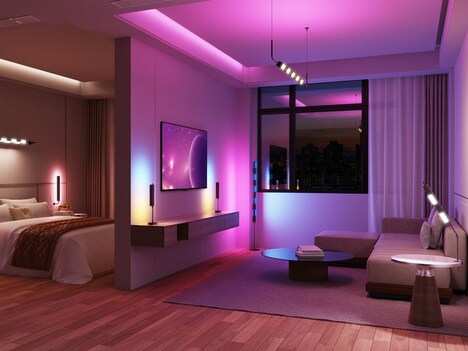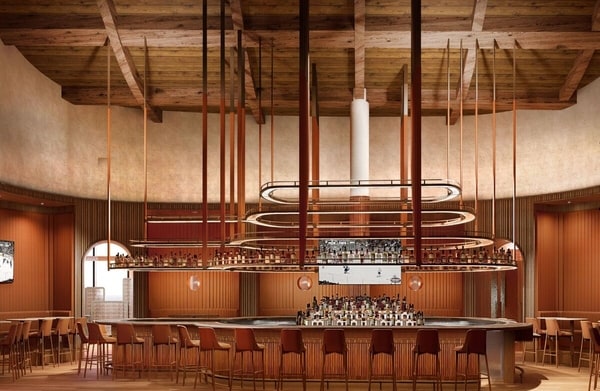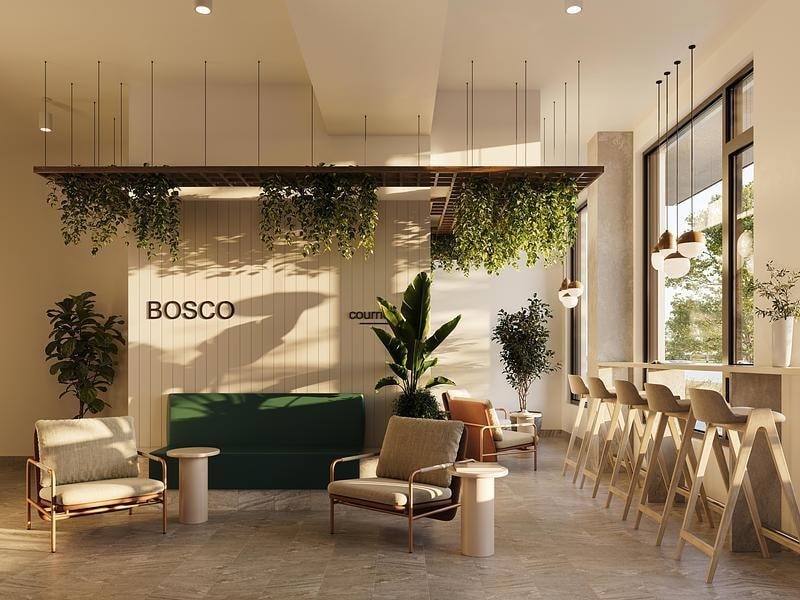
LumiGroup has designed a clever circadian lighting system for the Bosco project — a 230-unit rental residential project in Montreal developed by PUR Immobilia. The common spaces in this building include lobbies, corridors, shared lounges, and coworking areas.
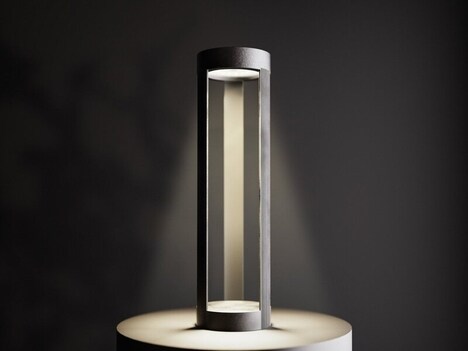
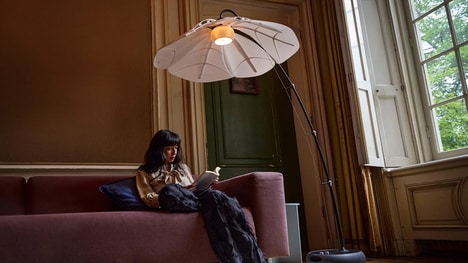
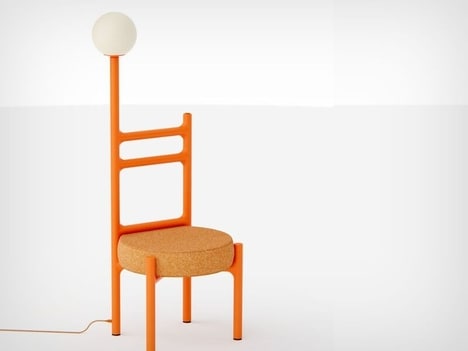
LumiGroup’s innovative circadian lighting system was integrated early in the design process of the Bosco project through close collaboration between lighting designers, architects, and interior designers. The communal interiors feature automated dual-spectrum LED lighting with wireless controls that continuously adjust color temperature and light intensity throughout the day. This serves to provide more stimulating light during daytime hours and softer, more calming light in the evening.
LumiGroup’s circadian lighting system also adjust autonamtically, which adds a layer of convenience and streamlines building maintenance.
Image Credit: Common Ground Studios
What Makes This Trend Stand Out
- Circadian Lighting Integration
- Integration of circadian lighting into communal residential interiors reveals opportunities for illumination systems that align indoor environments with human biological rhythms to improve wellbeing.
- Automated Dual-spectrum Controls
- Automated dual-spectrum LED systems present possibilities for lighting solutions that modulate color temperature and intensity dynamically to balance stimulation and relaxation across the day.
- Early-stage Design Collaboration
- Early collaboration between lighting designers, architects, and interior designers indicates potential for integrated workflows that embed human-centric lighting seamlessly into building projects.
Sectors Adopting This
- Residential Development
- Multi-unit rental projects benefit from circadian lighting as an amenity that can differentiate properties through measurable tenant wellbeing and retention outcomes.
- Smart Building Technology
- Wireless, sensor-driven lighting control platforms enable novel offerings that combine energy optimization with personalized occupant comfort profiles.
- Hospitality and Co-living
- Shared-living and hotel environments gain from dynamic lighting approaches that tailor communal spaces to guest circadian needs and enhance perceived service quality.