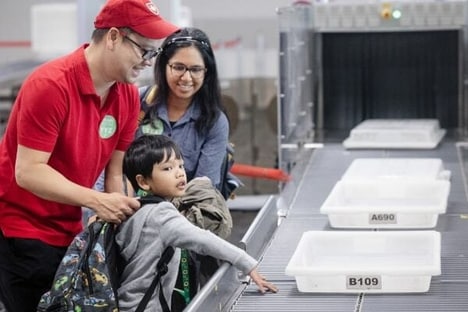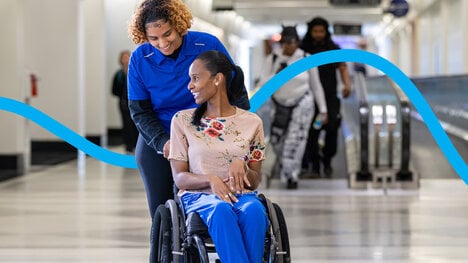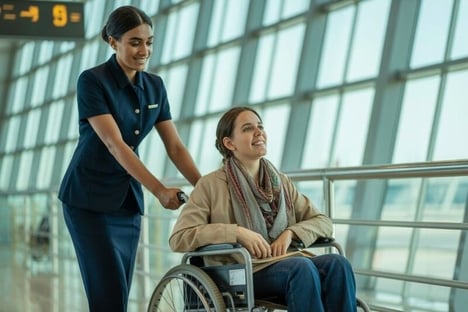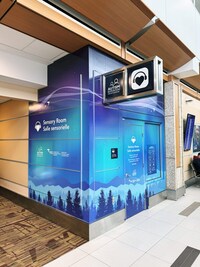
The Chicago Department of Aviation has implemented a new suite of resources specifically designed to assist travelers with sensory sensitivities or neurodivergent conditions, such as autism.
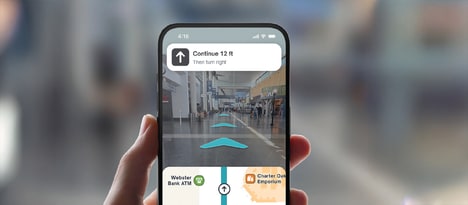
These tools include detailed maps that identify areas within the airport with varying levels of sensory stimulation, such as noise and crowd density. Supplementary materials include instructional videos that offer a first-person perspective of the travel process and illustrated social narratives that outline each step of the airport journey. Additionally, kits containing items like noise-canceling headphones and fidget tools are available for use within the terminals. These immediate intervention tools offer tangible relief if a situation becomes overwhelming.
The Chicago Department of Aviation's newly introduced accessibility tools aim to reduce anxiety and provide a more predictable and manageable travel environment for affected individuals.
Image Credit: Chicago Department of Aviation
What's Driving This Trend
- Sensory-friendly Travel Spaces
- Airports are creating specialized zones tailored to sensory sensitivities, enhancing the travel experience for neurodivergent individuals.
- Inclusive Travel Technology
- Innovative tech solutions like detailed sensory maps and interactive instructional videos are paving the way for a more inclusive travel industry.
- Personalized Comfort Kits
- Airports are offering tailored kits with items such as noise-canceling headphones and fidget tools, addressing the unique needs of travelers with sensory challenges.
Who This Affects Most
- Airport Management
- With a focus on inclusion, airport management is evolving to accommodate the diverse needs of travelers, offering new growth potential in accessibility enhancements.
- Travel Technology
- Travel tech companies are innovating with solutions that make journeys less stressful for neurodivergent passengers, broadening the scope of travel accessibility.
- Assistive Product Development
- The development of specialized travel kits for sensory-sensitive individuals presents opportunities for companies in the assistive product sector to expand their offerings.