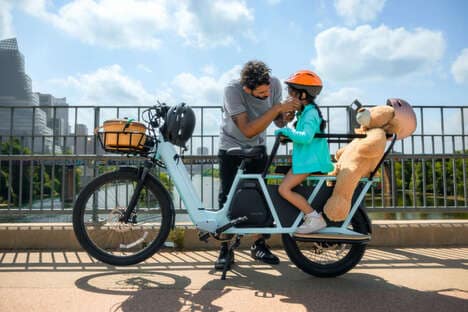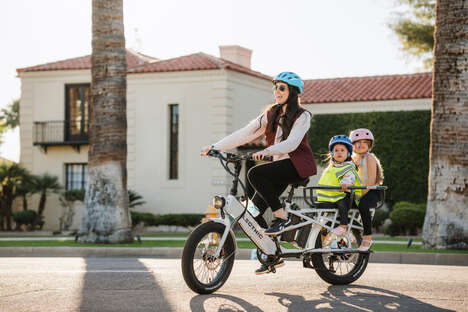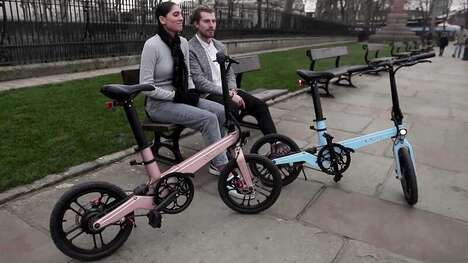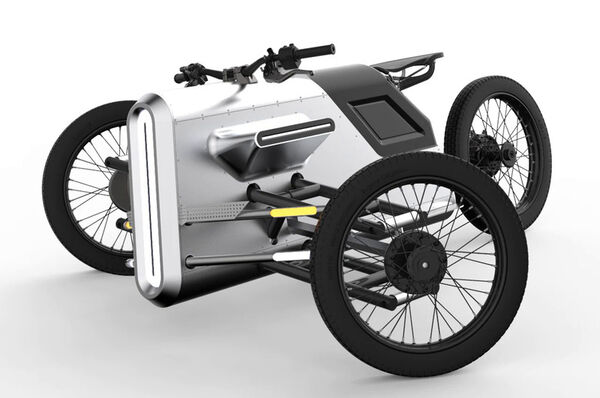

Lectric, an electronic mobility firm based in Arizona, had unveiled a cargo e-bike that is designed to combine the eco-friendly credentials of electric motoring with the convenience of a folding mechanism.
The 'XPremium' cargo e-bike comes equipped with a motor that churns out 800 watts of peak output and works in conjunction with a torque-sensing system to enable up to 45 km/h of pedal assist. Its dual battery setup ensures streamlining of power which allows for a range of over 160 km on a full charge on the lowest pedal assist setting.
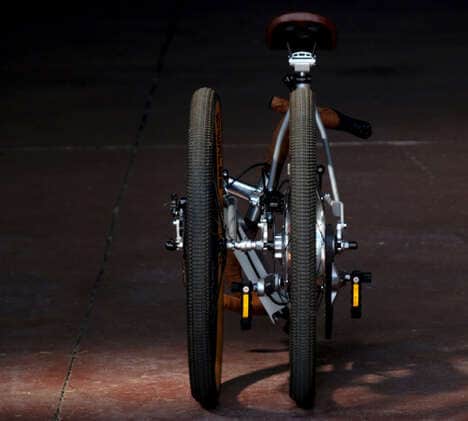
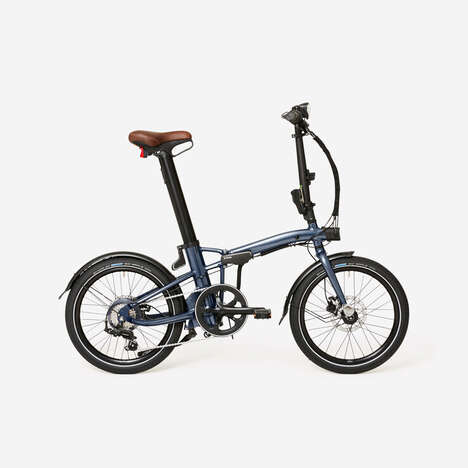
This cargo-ebike measures in at 74 x 25 x 48 inches in its regular form, but can be folded down to a compact package of only 40 x 22 x 32 inches, making it easy enough to transport on public transit or in your personal vehicle. It is available for pre-order for $1,799, which represents a saving of $200 on the suggested retail price.
Image Credit: Lectric
Key Themes Behind This Trend
- Folding E-bikes
- The trend of developing folding e-bikes is on the rise as people in urban areas seek a compact mode of transportation that can easily be stored.
- Dual Battery Setups
- The trend of using dual battery setups is gaining momentum as it provides an extended range and ensures streamlining of power for e-bikes.
- Torque-sensing Systems
- The trend of using torque-sensing systems in e-bikes is becoming popular as they provide optimal efficiency and a more natural riding experience.
Where This Applies
- Electric Mobility
- There is an opportunity for electric mobility companies to incorporate folding mechanisms and dual battery setups in their product line to cater to the evolving needs of urban commuters.
- Bicycle Manufacturing
- Bicycle manufacturers can explore the trend of using torque-sensing systems as a key feature in their e-bike product line, which can provide a competitive edge in the market.
- Public Transit Services
- Public transit services can consider allowing the transportation of folding e-bikes on their vehicles to cater to the needs of commuters who prefer a more personalized mode of transportation.