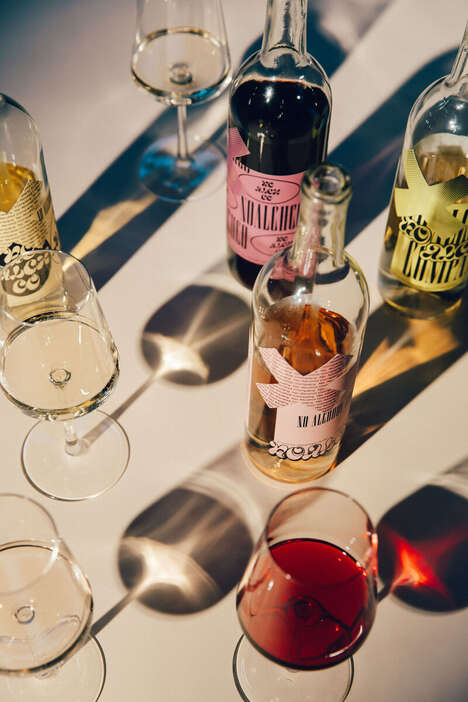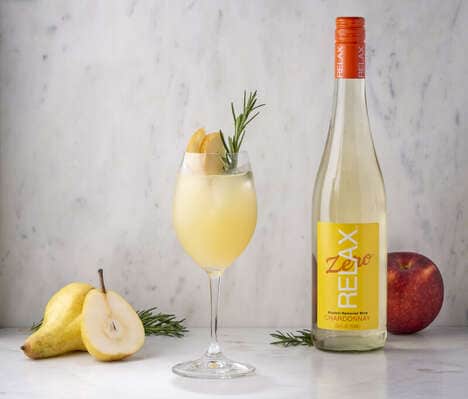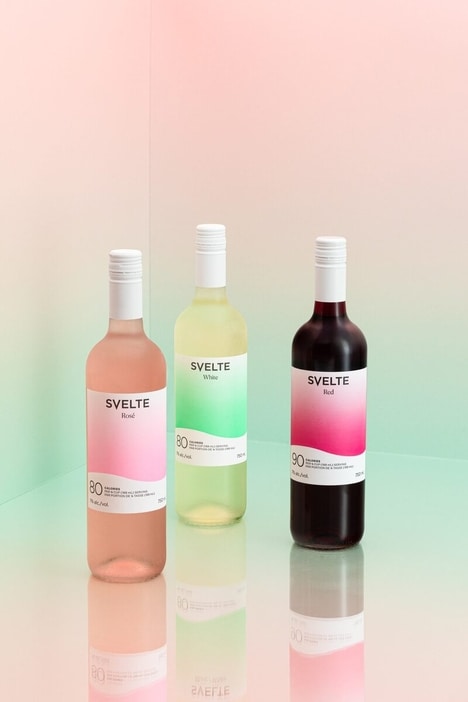
Mindful drinkers who look to Surely Wines for satisfying alcohol-free wine can enjoy a low-alcohol experience from its new sister company, Arlow. The low-alcohol, low-calorie wine brand was created to meet the consumer demand for healthier, well-balanced drinking experiences that can be enjoyed without regret and the ensuing hangover.
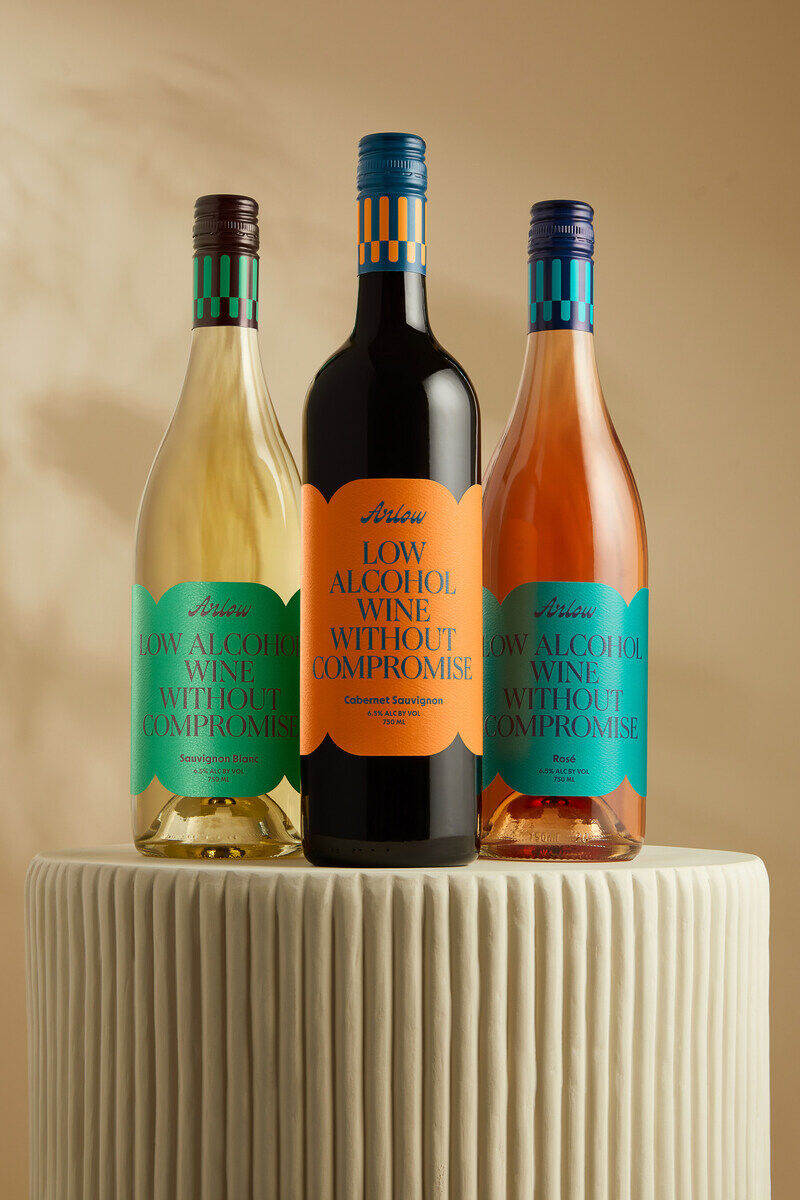
With Gen Z drinkers and Millennials seeking healthier alcohol options and a percentage of wine drinkers looking for ways to moderate their alcohol intake, Arlow crafts wines with 6.5% ABV, providing the fullness of flavor wine drinkers want with less alcohol.
Arlow is introducing itself to consumers with a diverse range of varietals, including Sauvignon Blanc, Rosé, and Cabernet Sauvignon. These meticulously well-made low-alcohol wines are exclusively from California-grown grapes, are low in sulfites, and free from artificial additives, sweeteners and concentrates.
What's Driving This Trend
- Low-alcohol Wine Movement
- Driven by health-conscious Millennials and Gen Z, the low-alcohol wine market is exploding as a favored choice for those seeking moderation without compromising taste.
- Mindful Drinking Lifestyle
- The shift towards mindful drinking is reshaping the wine industry, catering to consumers who prioritize health and balance in their beverage choices.
- Natural Ingredient Focus
- Demand for wines made with natural ingredients and minimal additives is growing, appealing to eco-conscious and health-focused drinkers.
Who This Affects Most
- Beverage Industry
- The beverage industry is witnessing a surge in the popularity of low-alcohol and healthier wine options, driven by shifting consumer preferences.
- Health and Wellness
- The intersection of health and wellness with the alcoholic beverage sector is creating opportunities for products that emphasize reduced alcohol content and natural ingredients.
- Agriculture
- The agriculture industry, particularly in regions like California, benefits from the trend towards sustainably grown and minimally processed grape varietals for low-alcohol wines.