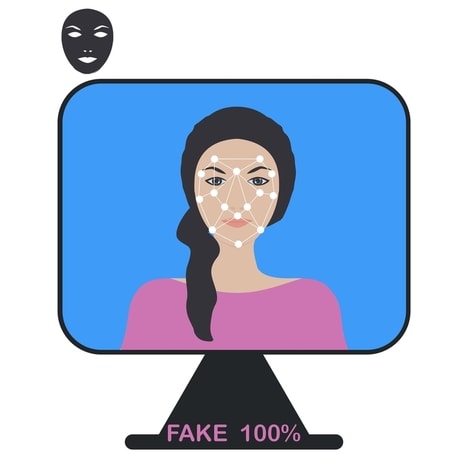

The new AI disclosure labels on YouTube are designed to help viewers quickly identify content that has been created or significantly modified with generative AI tools. The platform is moving these labels to more prominent locations, including directly beneath long-form videos and as overlays on Shorts, making disclosure information easier to access.
Alongside these updates, YouTube is introducing automated detection signals that can identify substantial AI-generated content when creators do not manually disclose its use. Certain content, such as videos produced with YouTube's AI tools or media containing C2PA metadata, will receive permanent disclosures to improve accountability and content traceability.
As realistic AI-generated media becomes increasingly common, this approach highlights a growing emphasis on transparency across digital platforms. The move may encourage brands, creators, and social media companies to adopt stronger disclosure practices, helping build consumer trust while establishing clearer standards for AI-generated content online.
Image Credit: YouTube
What Makes This Trend Stand Out
- Prominent AI Labeling
- Visible disclosures embedded directly into video interfaces create new space for trust-focused content experiences, brand-safe media buying, and standardized viewer education around synthetic media.
- Automated Content Provenance
- Detection signals and metadata-based verification systems are reshaping how platforms authenticate digital assets, enabling scalable accountability across creator ecosystems and advertising networks.
- Synthetic Media Trust
- Growing consumer exposure to realistic AI-generated content is accelerating demand for transparency tools that differentiate authentic, altered, and fully generated media in everyday digital environments.
Sectors Adopting This
- Social Media
- Platforms with large creator communities are becoming testing grounds for disclosure infrastructure that can reduce misinformation risks while supporting more transparent monetization models.
- Digital Advertising
- Advertisers and agencies face expanding demand for AI-content verification, giving rise to measurement services that connect media transparency with brand safety and campaign credibility.
- Content Verification
- Authentication providers are gaining relevance as provenance metadata, watermarking, and automated detection technologies become essential layers in the digital media supply chain.