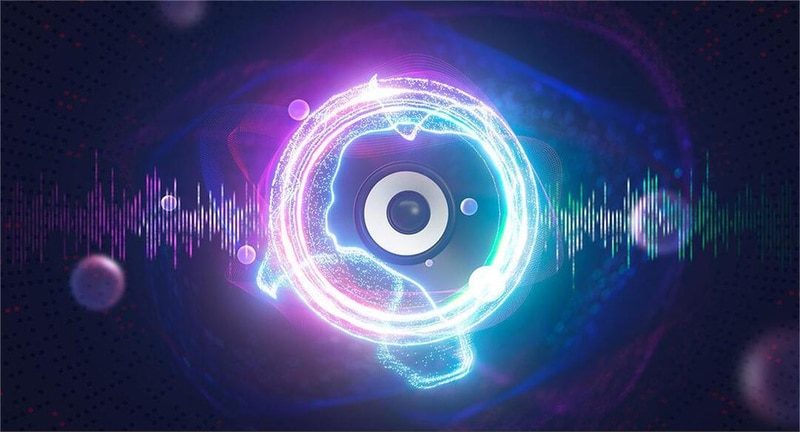
VideoWeb AI's music video generator allows users to upload photos, add an audio track, and generate a short animated video synced to the music's rhythm. The cloud-based tool uses machine learning to detect beats and animate images based on user-written prompts, producing MP4 outputs without requiring any editing experience. The platform supports multiple languages and operates on a credit system, with free daily check-ins available.
The generator sits within a broader VideoWeb AI suite that includes tools for image and audio creation. Users input a start and end frame alongside a descriptive prompt — such as a specific movement style or visual aesthetic — and the tool handles transitions, effects, and synchronization automatically. The result is a short-form video ready for platforms like Instagram or TikTok.
Image Credit: https://cdn.videoweb.ai/videoweb/ai_music_video/key_feature.webp
What's Driving This Trend
- Photo-to-video Automation
- Generative systems that convert static images into polished short-form videos could replace manual editing workflows for casual creators and small brands.
- Beat-synced Generative Media
- Synchronizing visual motion to detected audio beats allows automated creation of highly engaging, music-driven content tailored to platform-specific formats.
- Prompt-driven Visual Editing
- Natural-language prompts controlling transitions, styles, and movement enable non-experts to produce diverse aesthetic outcomes without traditional editing skills.
Who This Affects Most
- Social Media Marketing
- Automated short-form video production can commoditize content creation, shifting agency value toward strategy and distribution rather than labor-intensive production.
- Music Licensing and Publishing
- Integrated audio-visual generators create new demand for micro-licensed tracks and metadata-rich catalogs optimized for beat-driven synchronization.
- Cloud-based Creative Tools
- Credit-based, multilingual SaaS platforms that bundle image, audio, and video generation have the potential to disrupt traditional desktop editing suites and democratize professional outputs.