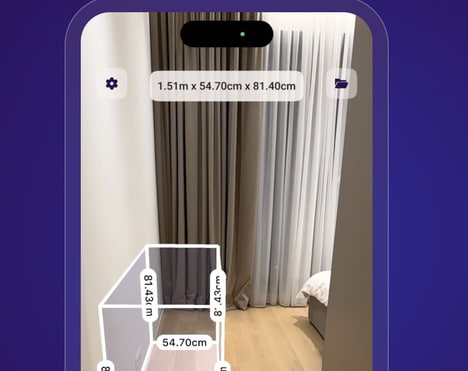

Rugs.com launched a mobile shopping app that combines augmented reality visualization with AI-powered discovery tools to help customers choose rugs with greater confidence. Available on iOS and Android, the app allows shoppers to place any rug virtually in their space using a smartphone camera, displaying products at true scale to evaluate size, color and style before purchasing.
Beyond AR visualization, the platform includes visual search capabilities that match uploaded photos to similar products in the retailer’s catalog, full-palette color filtering and personalized styling recommendations based on furniture, flooring and wall colors. The app also features AI-generated review summaries, order tracking, wishlists and access to promotions across more than 100,000 rug designs.
For consumers, the app reduces uncertainty around online home décor purchases by bringing product evaluation into the home, reflecting the growing use of AR and AI to improve ecommerce decision-making and reduce returns.
Image Credit: Rugs.com
Key Themes Behind This Trend
- Augmented Retail Visualization
- True-scale product previews inside shoppers’ homes create new potential for reducing purchase hesitation and reshaping digital merchandising around spatial confidence.
- AI-powered Décor Discovery
- Personalized recommendations based on room colors, furniture and uploaded images signal a shift toward context-aware shopping experiences that narrow choice overload.
- Review Summary Automation
- AI-generated customer feedback summaries introduce opportunities for faster trust-building in high-consideration online purchases where product fit and quality are difficult to judge.
Where This Applies
- Home Décor
- AR and AI shopping tools are expanding the category beyond static product pages into interactive room-based evaluation that can improve confidence and lower return rates.
- Ecommerce
- Mobile platforms combining visualization, visual search and personalization represent a more immersive commerce model for products traditionally limited by online uncertainty.
- Interior Design
- Consumer-accessible styling intelligence creates room for hybrid design services that blend automated recommendations with professional guidance for everyday home projects.