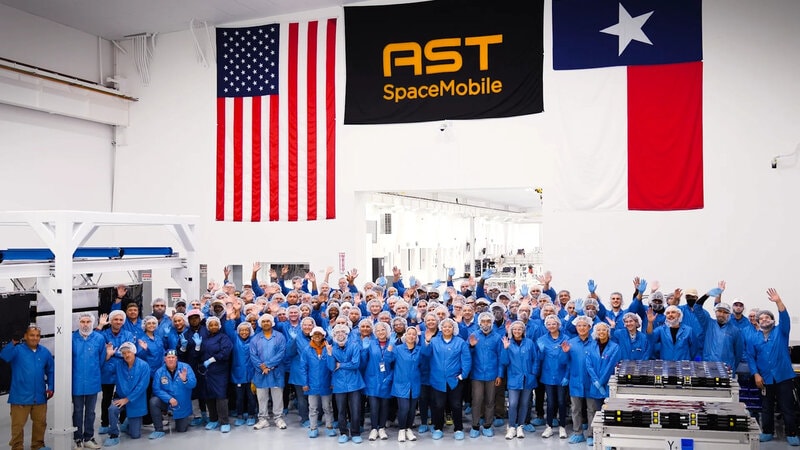
AT&T is preparing a satellite-backed service that will extend mobile connectivity beyond its terrestrial footprint through a partnership with AST SpaceMobile. The offering is designed to let standard smartphones connect directly to Low Earth orbit BlueBird satellites using AT&T’s licensed spectrum, with terrestrial gateways linking satellite traffic to the carrier’s mobile core.
AST SpaceMobile provides the space-based platform and gateway technology, while AT&T supplies spectrum, network integration, billing and distribution under a commercial agreement running through 2030. The service is expected to support voice, text and mobile data, with video as a possible future capability. AST SpaceMobile has cited design targets of up to 40 MHz per beam and peak speeds of 120 Mbps.
For consumers, the service could expand connectivity for emergency, remote and maritime use cases. The partnership reflects a broader shift toward satellite networks complementing terrestrial mobile coverage rather than replacing it.
Image Credit: AT&T
What's Driving This Trend
- Direct-to-device Satellites
- Standard smartphone links to Low Earth orbit networks create openings for mobile coverage models that bypass specialized satellite hardware.
- Hybrid Mobile Coverage
- Satellite layers integrated into carrier cores reshape network resiliency by blending terrestrial infrastructure with space-based capacity.
- Remote Connectivity Services
- Emergency, rural, maritime and off-grid use cases gain new commercial relevance as mobile data access extends beyond traditional tower footprints.
Who This Affects Most
- Telecommunications
- Carrier-led satellite integration expands service portfolios through spectrum reuse, billing alignment and seamless mobile network extensions.
- Satellite Communications
- Low Earth orbit platforms become more disruptive as they support mass-market devices instead of niche terminals or enterprise-only systems.
- Emergency Services
- Public safety and disaster response ecosystems benefit from broader connectivity continuity in areas where terrestrial networks are unavailable or damaged.