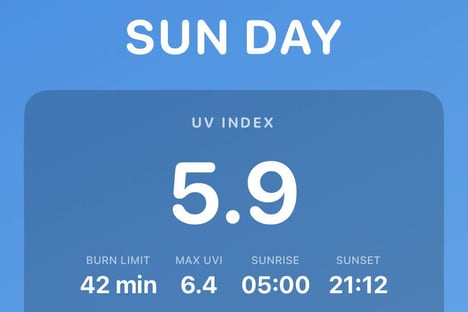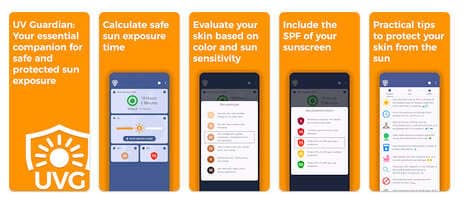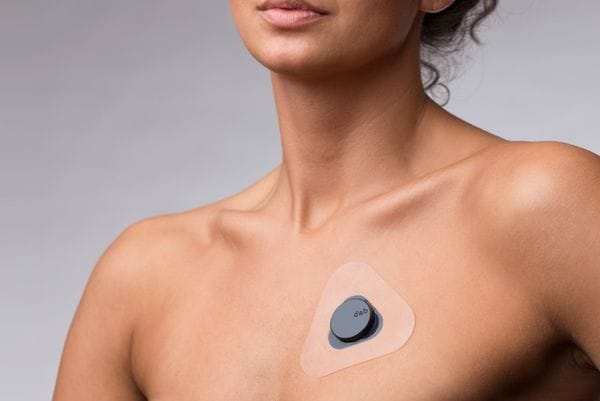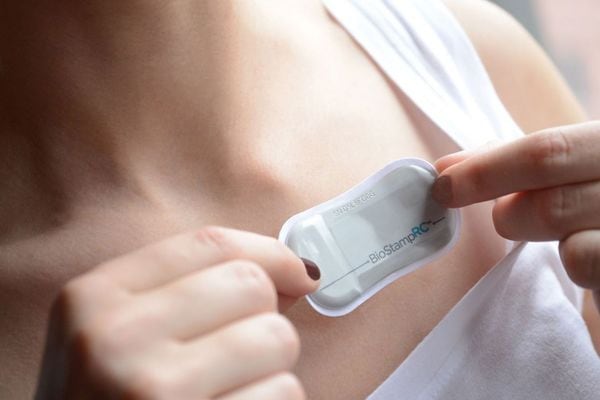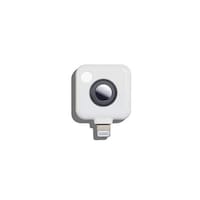
'Integrated Device Technology' just launched a UVA and UVB sensor called 'ZOPT2202' at CES 2016. While many consumers know that overexposure to UV rays can lead to cancer and underexposure can lead to vitamin D deficiencies, few know how to measure their daily intake. Now Integrated Device Technology has developed a better way to help consumers keep track of their UVA and UVB exposure.
'ZOPT2202' is a UV sensor that can be integrated with mobile devices and wearable technology. The sensor itself contains ultra-sensitive photodiodes, which provide a high-performance UV reading when paired with infrared light suppression. As a result, the sensor can provide accurate, real-time information about the user's UVA and UVB exposure.
With the potential to be integrated into a number of different devices, the ZOPT2202 sensor could be used for a wide variety of health and environmental applications.
Key Themes Behind This Trend
- Integrated UV Sensors
- More companies will develop integrated UV sensors for mobile devices, wearables and other devices.
- Real-time Environmental Monitoring
- Real-time environmental monitoring through sensors will become more accurate and widespread.
- Health-tech Wearables
- Integration of sensors in health-tech wearables will pave the way for more comprehensive monitoring.
Where This Applies
- Consumer Electronics
- Consumer electronics companies can add integrated UV sensors to their product line-ups.
- Environmental Monitoring
- Environmental monitoring companies can use the ZOPT2202 sensor for real-time monitoring of UV exposure levels.
- Health-tech
- Health-tech companies can create more advanced wearables using the ZOPT2202 sensor.