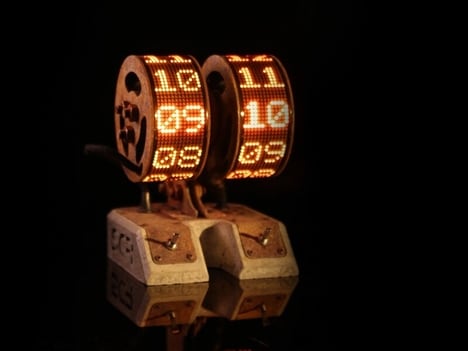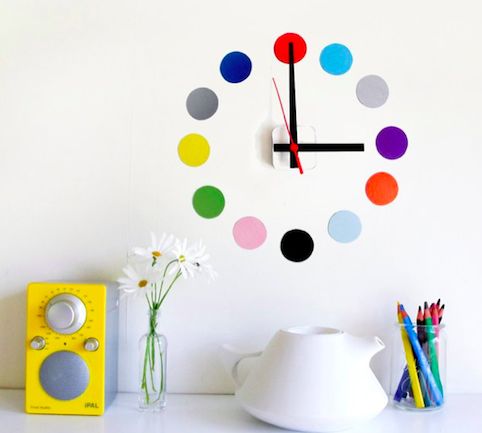
Instead of measuring time with minutes, Rafael Lozano-Hemmer created the Zero Noon clock in order to base time on the human experience. Throughout the day, Lozano-Hemmer's clock ticks in unison with various metrics.
Each setting on the Zero Noon allows users to use a different statistic. Some of the more interesting ones include the number of spam emails sent, the number of beers drunk in America and the number of heartbeats. Just like a real clock, each new day resets the count to zero. At noon, the clock starts counting all over again.
Lozano-Hemmer created the clock by tapping into various publicly available data sources. The Zero Noon gets its data from the government, various financial institutions and other data-collecting entities.
What Makes This Trend Stand Out
- Data-driven Time Measurements
- Opportunity for creating innovative clocks that measure time based on different metrics and data sources.
- Personalized Timekeeping
- Potential for developing clocks that allow users to customize time measurements based on individual preferences.
- Interactive Time Experience
- Possibility of designing clocks that engage users by displaying real-time statistics and metrics.
Sectors Adopting This
- Consumer Electronics
- Disruptive innovation opportunity to create smart clocks that integrate data sources for personalized timekeeping.
- Data Analytics
- Potential for leveraging public data sources to develop innovative clock technologies and data-driven insights.
- Advertising and Marketing
- Opportunity to utilize real-time metrics from various sources for interactive clock displays in promotional campaigns.