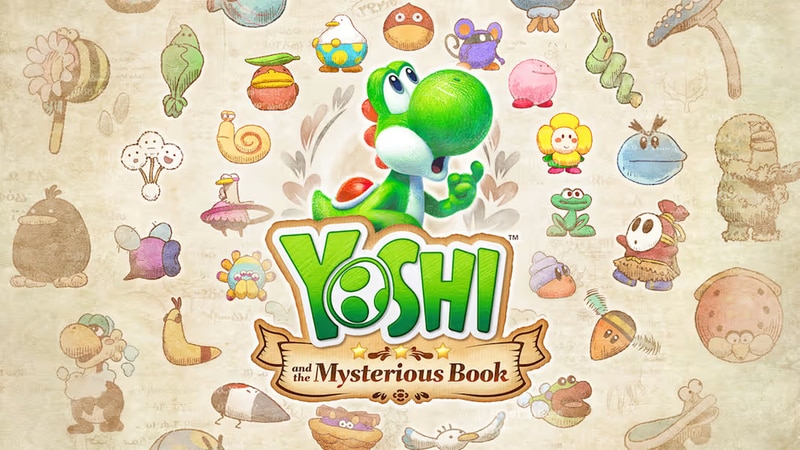
Yoshi and the Mysterious Book is a new platform game from Nintendo, scheduled for release on Switch 2 on May 21 and featuring a picture-book visual style that makes levels look like pages come to life. The title debuted during Nintendo's Mar10 Day showcase and was accompanied by a trailer that highlights the game's softer, storybook aesthetic. Gameplay shifts away from heavy egg-throwing and leans into creature-based abilities, with many enemies granting Yoshi temporary powers when they hop aboard.
The trailer also teases comedic beats, including a gag where Yoshi tastes something foul and briefly recoils. For players, the blend of tactile visuals and ability-based platforming promises a family-friendly, tactile-feeling adventure that continues Nintendo's trend of experimental art directions in franchise spin-offs.
As a console launch title for Switch 2, it reinforces Nintendo's strategy of pairing distinctive art design with accessible mechanics to broaden appeal.
Image Credit: Yoshi and the Mysterious Book
What Makes This Trend Stand Out
- Picture-book Visuals
- Visual-driven game worlds that mimic storybook pages create opportunities for cross-media IPs and novel rendering pipelines that prioritize tactile, hand-crafted aesthetics over photorealism.
- Ability-based Creature Mechanics
- Creature-mounted temporary abilities replace conventional combat systems, enabling modular gameplay design frameworks that can be licensed as composable mechanics across diverse genres.
- Franchise Spin-off Experimental Art Directions
- Major franchises adopting radically different art styles for spin-offs open pathways for segmented audience targeting and premium niche titles that extend brand value without diluting core series identity.
Sectors Adopting This
- Game Development
- Indie and AAA studios can leverage simplified, storybook aesthetics to reduce asset costs while creating distinctive IPs that compete on artistic identity rather than graphical fidelity.
- Console Hardware and Launch Strategy
- Platform makers bundling stylistically unique launch titles can reframe hardware value propositions around curated experiences and first-party creative risks that drive early adoption.
- Family Entertainment and Edutainment
- Family-focused tactile visuals and accessible mechanics suggest new product lines blending play and narrative learning for younger demographics across apps, toys, and streaming content.