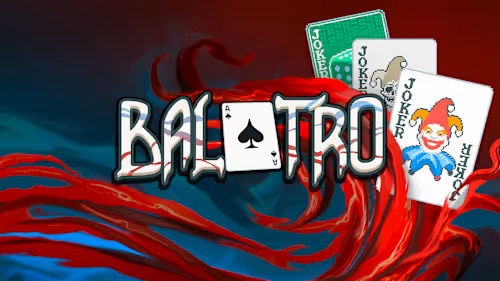
Balatro, the poker-inspired rogue-like deck-builder, received a surprise free Switch 2 Edition upgrade from its developer and appeared on the Nintendo eShop, featuring full mouse mode support designed for the system’s upgraded input options. The release also delivered a smoother 60 fps performance and reported compatibility with the console’s HD Rumble 2, improving tactile feedback for card-based play.
The Switch 2 listing confirmed the free upgrade for existing Switch owners but did not include a cross-save or progress transfer option from the original Switch, which players have noted as a drawback. Still, the update brings platform-specific enhancements that make the indie title feel more responsive on Nintendo’s newer hardware and aligns with a trend of platform-tailored patches for popular indie releases.
Image Credit: LocalThunk
What Makes This Trend Stand Out
- Platform-tailored Patches
- Smaller studios are increasingly releasing updates optimized for specific consoles, creating scope for bespoke performance and control improvements that change user expectations for cross-platform parity.
- Free Next-gen Upgrades
- Offering complimentary upgrades from prior-generation purchases is becoming a notable value proposition that shifts competitive dynamics around consumer loyalty and perceived software longevity.
- Enhanced Haptic Integration
- Deeper utilization of advanced tactile feedback on modern consoles is enabling more immersive mechanics for traditionally static genres, expanding design space for sensory-driven gameplay features.
Sectors Adopting This
- Indie Game Development
- Indie teams are positioned to differentiate through nimble post-launch support and platform-specific enhancements that can elevate perceived quality without large marketing budgets.
- Console Hardware Manufacturing
- Console makers face pressure to provide distinctive input and haptic capabilities that create new experiential benchmarks and influence software design priorities.
- Game Save and Cloud Services
- Demand for seamless progression across hardware generations highlights gaps in cross-save infrastructure and suggests potential for services that reconcile legacy progress with upgraded platform editions.