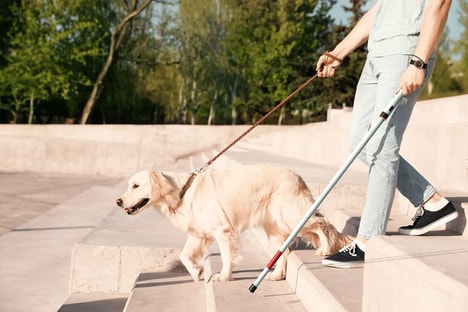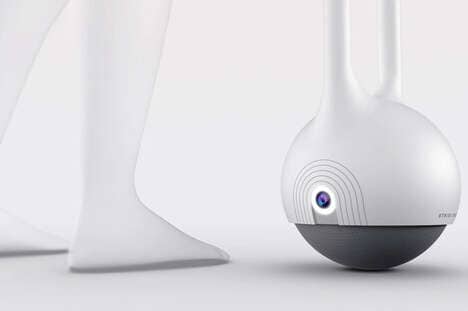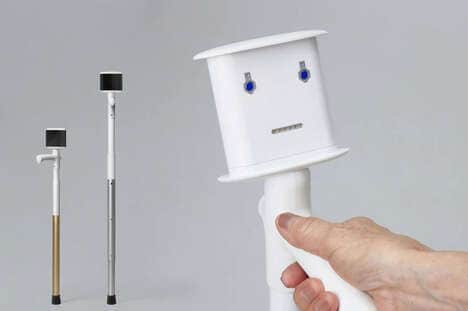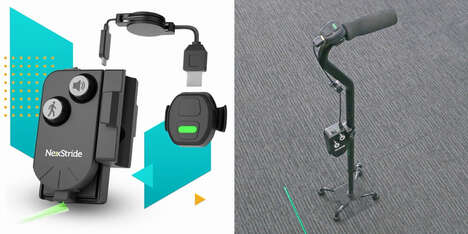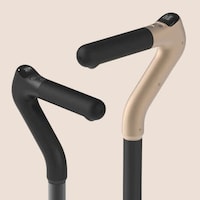
Researchers at Birmingham City University have created a special mobility cane dubbed the XploR cane, which uses high-tech onboard electronics to help blind people locate people that they know.
The system uses a database of facial photographs of people known to the user. These photos are stored on an internal SD card, and the facial shots and a special facial recognition system are used to identify known faces from a distance of up to 10 meters. When a familiar person is spotted, the cane alerts its user by vibrating. It then uses its built-in GPS navigation system to guide the user to that person.
While there have previously been canes that use ultrasound and lasers, the inclusion of facial recognition technology adds a whole new layer of functionality to these canes.
What's Driving This Trend
- Facial Recognition Mobility Devices
- Companies can explore the integration of facial recognition technology in other mobility devices and innovate the assistive technology industry.
- Smart Navigation for the Visually Impaired
- Developing navigation systems with innovative features for the visually impaired can lead to new opportunities for accessibility in other industries.
- Personalized Assistive Technology
- Customizing assistive technology based on users' individual needs and preferences can bring about personalized and efficient solutions to improve users' quality of life.
Who This Affects Most
- Assistive Technology
- Incorporating new and emerging technologies into assistive devices is critical in evolving to meet the unique needs of individuals with disabilities.
- Healthcare
- The use of innovative mobility and navigation devices for the visually impaired can be a game-changer in improving accessibility and care for disabled patients.
- Law Enforcement and Security
- Facial recognition technology can have various applications in the law enforcement industry, such as identifying suspects or locating missing persons.