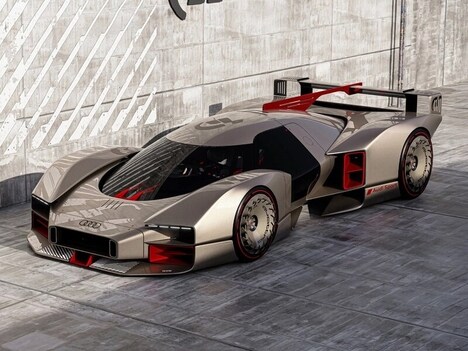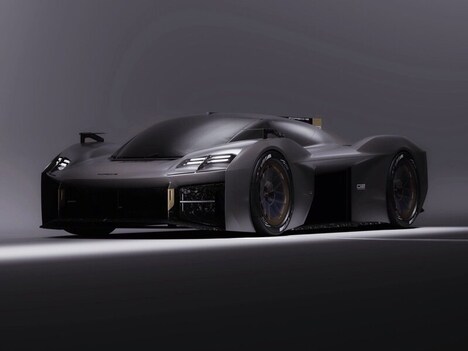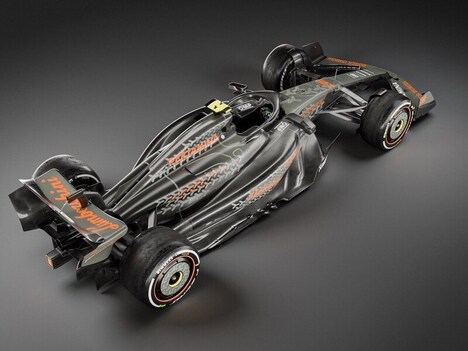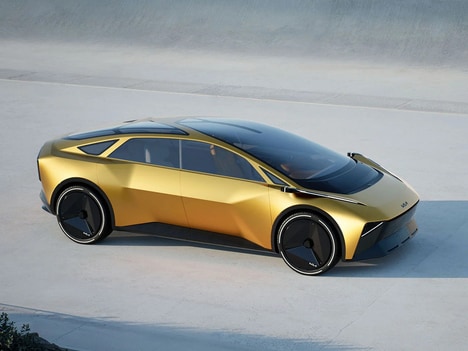
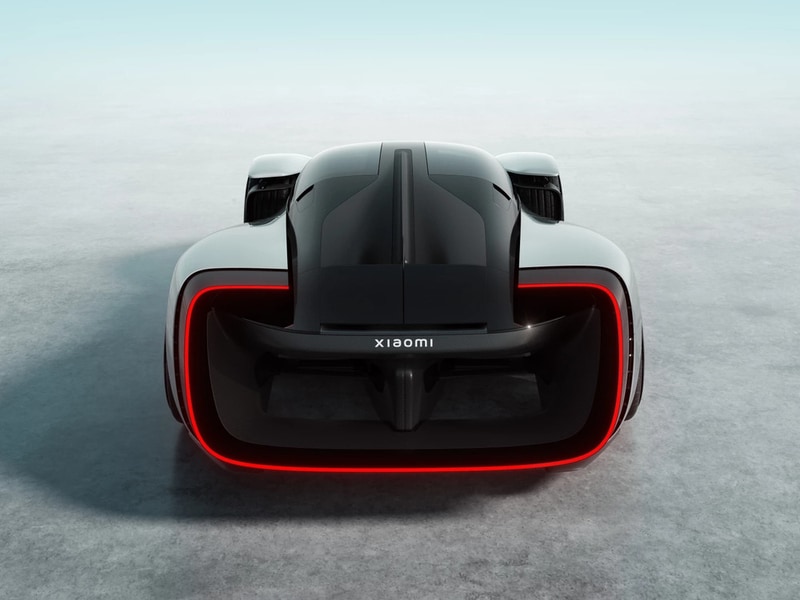
The Xiaomi Vision GT virtual concept car was debuted by the brand at the Mobile World Congress (MWC) 2026 in Barcelona as an ultra-futuristic vehicle design that could give a glimpse of what's to come. The vehicle design has been debuted for the Gran Turismo franchise and will be drivable in the Gran Turismo 7 video game, which means it likely won't make it into production. The vehicle, however showcases an impressive design that has been shaped by the wind, according to Head of Design Tianyuan Li, with a pod racer-like profile that's inherently aerodynamic.
The Xiaomi Vision GT virtual concept car is rounded out with 3D-knitted natural fabric on the seats in the cabin and will offer gamers 1,900-horsepower of electric-powered propulsion.
Image Credit: Xiaomi
What's Driving This Trend
- Virtual Concept Vehicles
- Virtual-only hypercars are creating a new pipeline for design validation and brand visibility that can redefine product development lifecycles without physical tooling.
- In-game Brand Extensions
- Branded digital assets embedded in popular gaming ecosystems are becoming high-value touchpoints for consumer engagement and monetizable IP that bypass traditional advertising channels.
- Sustainable Luxury Materials
- The integration of 3D-knitted natural fabrics into high-end vehicle cabins signals a shift toward eco-conscious premium materials that blend performance with craft-driven aesthetics.
Who This Affects Most
- Automotive Design
- Aerodynamic, pod-like virtual concepts are influencing real-world vehicle proportions and could lead to new platforms optimized first for virtual testing and then adapted to production constraints.
- Video Game Development
- High-fidelity, drivable branded cars in simulation titles are expanding revenue models through licensing and digital collectibles while shaping consumer expectations for hyperreal virtual goods.
- Textile Manufacturing
- Advanced 3D-knitting of natural fibers for automotive interiors points to scalable, customizable upholstery solutions that challenge conventional cut-and-sew supply chains.