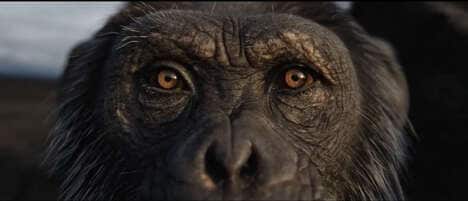
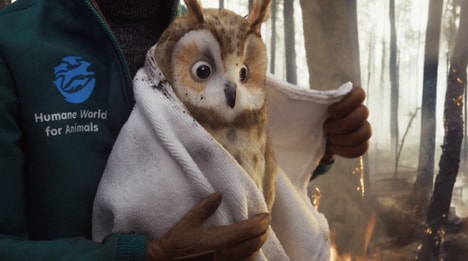
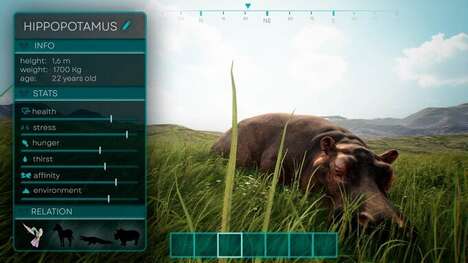
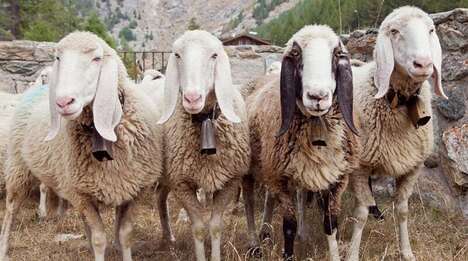
The WWF Trees Save Wildlife ad campaign is comprised of stunning visuals that depict just how connected certain animals are to their ecosystems, which are currently being threatened by global warming and deforestation practices. Providing shelter, food and more, the slow elimination of forests and jungles could have drastic results on various species. In fact, they already are.
Conceived and executed by the advertising school Sir JJ Institute of Applied Art based in Mumbai, India, the WWF Trees Save Wildlife ad campaign worked on by Yashika Shah. It envisions a gibbon, leopard, tiger, crane, red panda, elephant and nilgiri as the roots of a tree, which is being watered by a person in a generous and caring manner. People need to embrace this attitude more.
Key Themes Behind This Trend
- Ecosystem Protection
- Opportunities for disruptive innovation in creating sustainable solutions that protect ecosystems and wildlife threatened by global warming and deforestation.
- Visual Storytelling
- Opportunities for disruptive innovation in creating compelling, emotionally-driven visuals to promote environmental awareness and action.
- Cause Marketing
- Opportunities for disruptive innovation in developing impactful marketing campaigns that raise awareness and support for environmental causes.
Where This Applies
- Conservation Organizations
- Opportunities for disruptive innovation in developing and implementing conservation solutions that address the threats of global warming and deforestation to ecosystems and wildlife.
- Advertising and Marketing
- Opportunities for disruptive innovation in leveraging impactful visuals and storytelling techniques to drive awareness and action for environmental causes.
- Retail and Consumer Goods
- Opportunities for disruptive innovation in creating and promoting sustainable products and packaging that reduce reliance on deforestation-driven materials and support ecosystem protection.