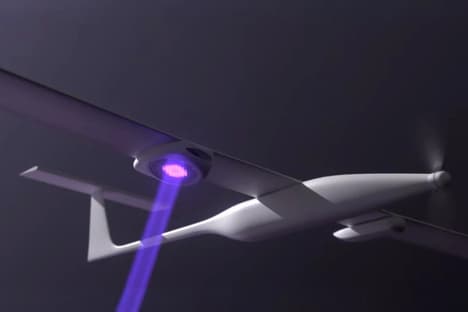
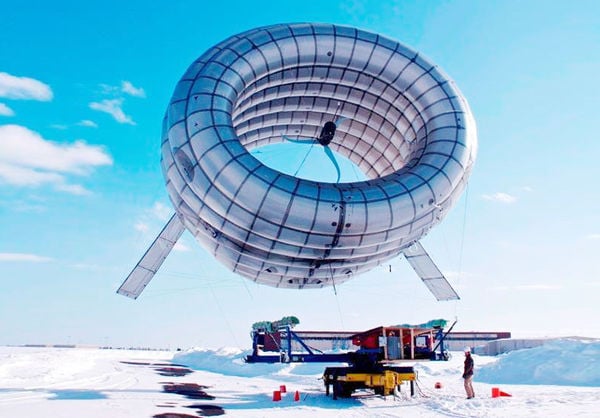
Makani Power is making it easier to generate wind energy with Wing 7. Wing 7 is a flying wind turbine designed to fly at high altitudes where the wind is at its most powerful and abundant.
Wing 7 takes off vertically and has a cruising altitude of around 1,300 feet. Once Wing 7 has reached its cruising altitude, the wing begins flying like a kite in horizontal sweeping patterns. The energy generated is transferred down the Wing 7's tether and stored in a power box below. Currently the turbine is capable of generating 20 kilowatts of power per hour, but the team is working on a new design that could fly as high as 1,800 feet and generate 1 megawatt of power. If everything goes well, the team hopes to bring the Wing 7 to the commercial market by 2015.
What's Driving This Trend
- Flying Wind Turbines
- The technology of flying wind turbines is a disruptive innovation opportunity as it provides a cost-effective alternative to fixed wind turbines.
- High Altitude Wind Energy Generation
- Developing high altitude wind energy generation methods is a disruptive innovation opportunity as it can generate more electricity with consistent wind speeds.
- Tethered Uavs for Power Generation
- Using tethered UAVs for power generation is a disruptive innovation opportunity as it provides an alternative to traditional power generation methods.
Who This Affects Most
- Renewable Energy
- Renewable energy companies could leverage flying wind turbines to create a more efficient and cost-effective system for power generation.
- Aerospace
- Aerospace companies could use their expertise to design and manufacture flying wind turbines, opening up a new market for their products.
- Electricity Transmission and Distribution
- Companies involved in electricity transmission and distribution could incorporate flying wind turbines into their networks, providing a more reliable and cost-effective source of energy.