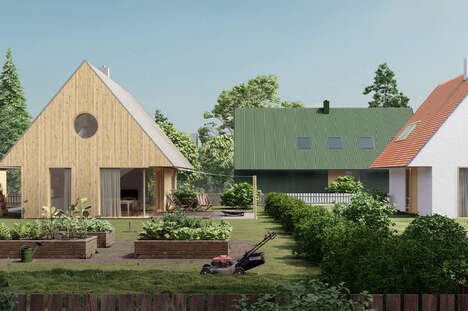
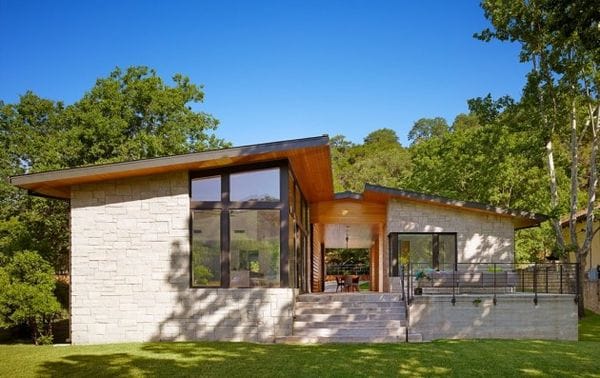
Designing and constructing a home is no longer something that needs to be left to skilled builders and architects, as the WikiHouse allows buyers to download a design, print it out on a CNC milling machine and then put it together as easily as a set of IKEA furniture.
Although perhaps assembling something from a plethora of flat, similar-looking panels and a million little screws may not be easy Per se, it is certainly not as labor intensive as traditional housing construction.
Made from plywood, the individually printed pieces of wood fit together like a puzzle -- and without the need for power tools. The designs are located online and are all included under the creative commons license as an open source project that allows anyone who is interested to download, share or contribute to the endeavor.
What's Driving This Trend
- DIY Home Construction
- The WikiHouse allows buyers to download a design, print it out, and assemble it easily, disrupting traditional housing construction.
- Open Source Architecture
- The WikiHouse project is an open source initiative that allows anyone to download, share, or contribute to the designs, creating opportunities for disruptive innovation in architecture.
- 3D Printing and CNC Technology
- The use of 3D printing and CNC milling technology in the construction of WikiHouse offers potential for disruptive innovation in the manufacturing and construction industries.
Who This Affects Most
- Home Construction
- The WikiHouse concept has the potential to disrupt the traditional home construction industry by offering a more accessible and affordable alternative.
- Architecture
- The open source nature of the WikiHouse project opens up opportunities for disruptive innovation in the field of architecture and design.
- Manufacturing and Construction
- The integration of 3D printing and CNC technology in the construction process of WikiHouse presents disruptive innovation opportunities in the manufacturing and construction industries.