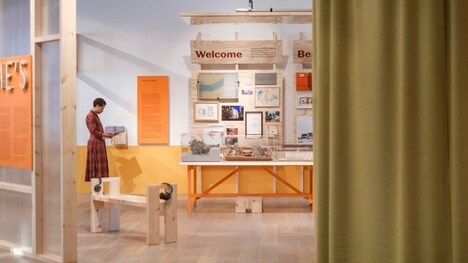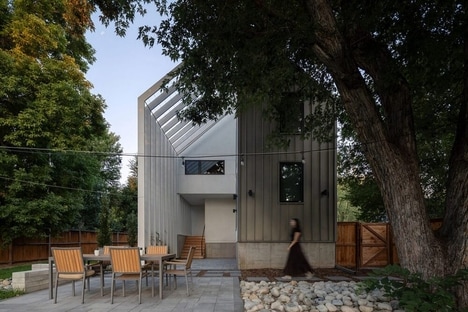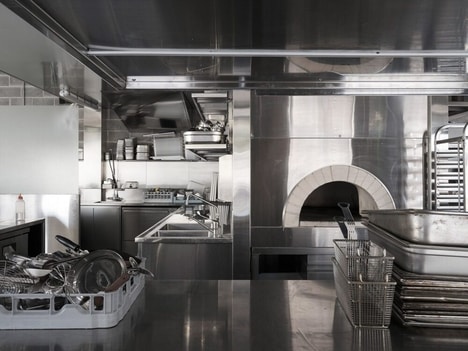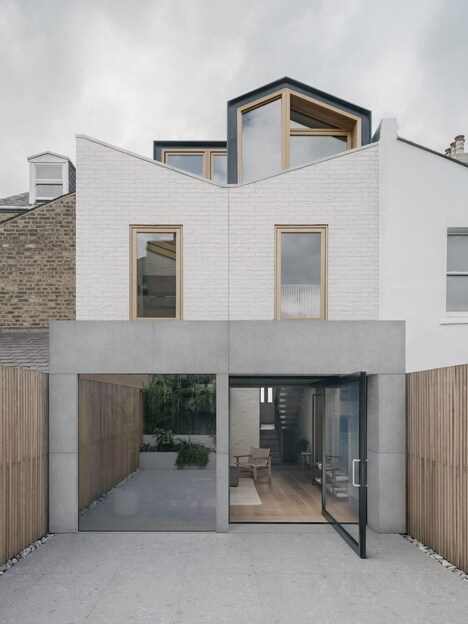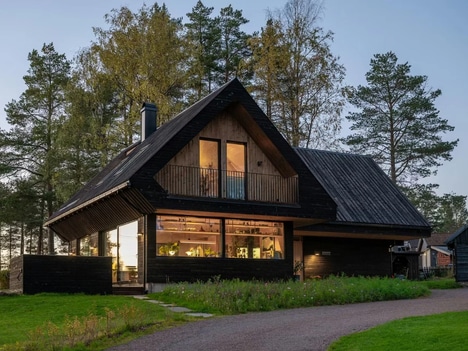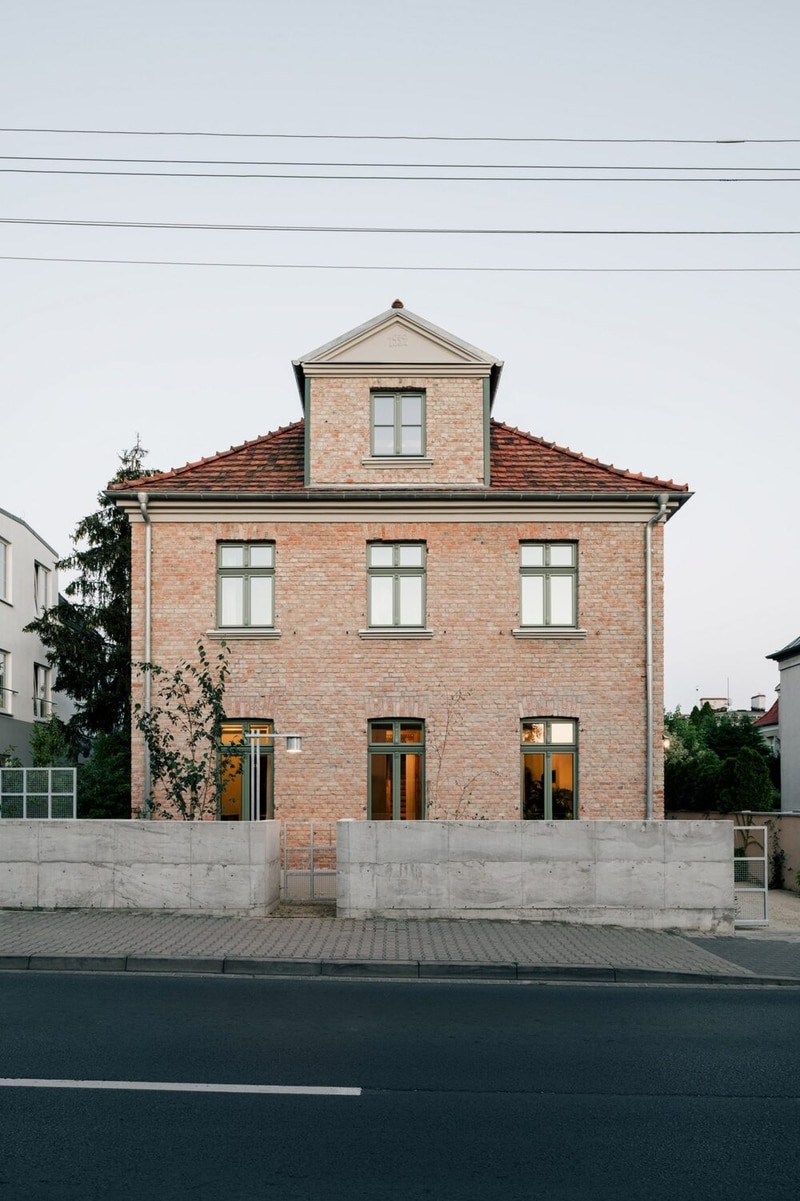
The historic villa renovation by Wierciński Studio updates an early twentieth-century house in Poland while preserving the building’s architectural character. The project focused on restoring the villa’s original structure and repairing historic elements that had deteriorated over time. Exterior walls, traditional proportions and existing masonry were carefully retained so the building would maintain its historic presence within the surrounding neighbourhood.
The architects reorganised the interior layout to better support contemporary living. New openings and larger windows introduce additional natural light while strengthening connections between interior rooms and the garden. Updated materials and finishes were integrated alongside restored structural elements to create a clear dialogue between past and present. The renovation demonstrates how historic residential architecture can be adapted for modern lifestyles while maintaining the identity and craftsmanship of the original building.
Image Credit: Oni Studio
What Makes This Trend Stand Out
- Heritage-led Modernization
- Adaptive restoration that fuses original craftsmanship with contemporary interventions creates demand for integrated conservation technologies and hybrid material systems.
- Interior-exterior Blending
- Enhanced visual and physical connections between rooms and gardens enable new product categories in flexible fenestration and climate-responsive glazing.
- Minimal-invasive Structural Reconfiguration
- Selective reorganization of layouts and strategic openings highlights opportunities for modular retrofit solutions that minimize alteration to historic fabrics.
Sectors Adopting This
- Architectural Conservation Technology
- Specialized scanning, monitoring, and repair materials are positioned to disrupt traditional restoration by offering precision diagnostics and reversible interventions.
- High-performance Window Manufacturing
- Custom-sized, historically sympathetic glazing systems with improved thermal and acoustic performance challenge standard fenestration supply chains.
- Modular Interior Systems
- Prefabricated lightweight partitions and integrated service cores tailored for heritage buildings present an alternative to heavy onsite construction, reducing disturbance to original structures.