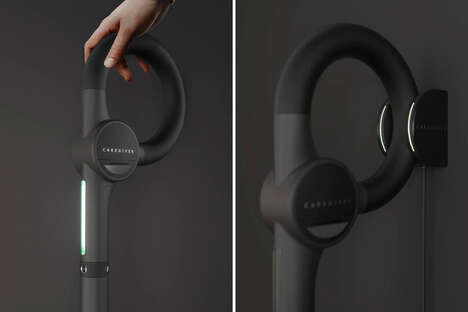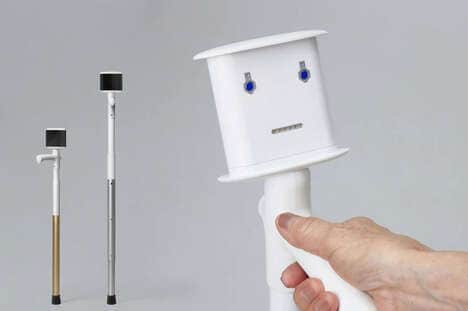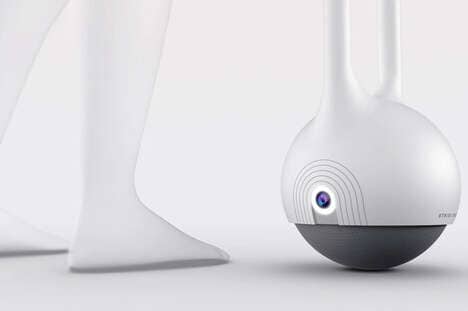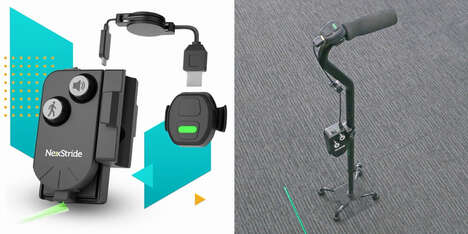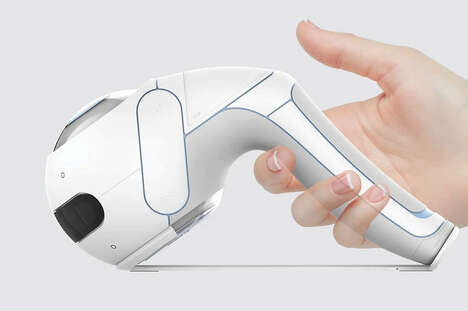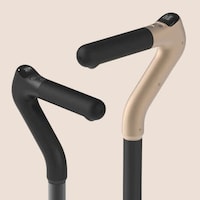

White canes have been the primary tool for people with visual impairments for decades, but the WeWALK cane attachment uses modern technology to make that tool something befitting of the 21st century. The smart device attaches to the top of a white cane and brings technology to the otherwise analog tool, helping to improve the accessibility of the world at large.
The biggest issue with white canes as they've existed in the past is that they can only reliably help people with visual impairments to spot obstacles more or less at ground level. WeWALK uses ultrasonic sensors to detect objects at chest level, providing haptic and aural feedback alerts. The device is also open source, so designers and developers around the world can help to contribute to its functionality.
Key Themes Behind This Trend
- Smart Visual Impairment Canes
- Using ultrasonic sensors and haptic feedback, smart canes enhance accessibility for the visually impaired.
- Enhanced Obstacle Detection
- Ultrasonic sensors on canes detect objects at chest level, improving safety for visually impaired individuals.
- Open Source Assistive Technology
- WeWALK's open source platform encourages collaboration and innovation in the development of smart canes for the visually impaired.
Where This Applies
- Assistive Technology
- The development and improvement of smart canes for the visually impaired presents opportunities for both hardware and software companies to create innovative assistive solutions.
- Healthcare
- The integration of technology into canes for visually impaired individuals offers potential for healthcare providers to enhance accessibility and improve the quality of life for patients.
- Accessibility Solutions
- The use of ultrasonic sensors and haptic feedback in smart canes creates opportunities for companies to develop and market innovative accessibility solutions for individuals with visual impairments.