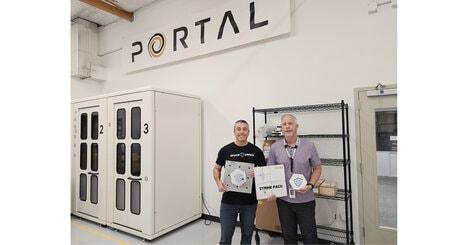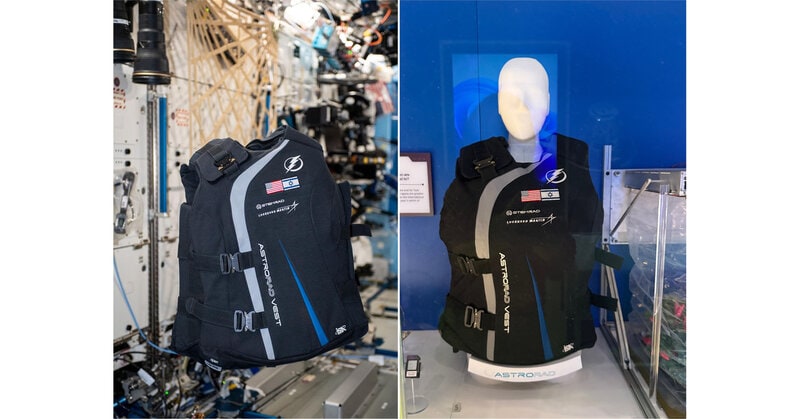
StemRad is advancing wearable space radiation protection with its AstroRad vest, designed to shield astronauts from harmful radiation while preserving mobility during missions. Previously worn by five space travelers aboard the International Space Station, the protective equipment will be featured at the Smithsonian's National Air and Space Museum in Washington, D.C.
Developed alongside Lockheed Martin, AstroRad protects vulnerable organs and tissues from ionizing radiation. Astronauts evaluated its comfort and practicality during routine activities, including sleeping and working. Separate research from NASA's Artemis I mission demonstrated a 60% radiation dose reduction under conditions modeled on the August 1972 solar storm. Another AstroRad vest is displayed at Kennedy Space Center.
For StemRad, these findings strengthen the technology's relevance to future lunar and Martian exploration. The Smithsonian exhibition also increases visibility for its protective equipment, supporting broader recognition of wearable radiation shielding.
Image Credit: NASA / NASM
What Makes This Trend Stand Out
- Wearable Radiation Shielding
- Body-conforming protective systems create new potential for mission-ready safety equipment that balances organ-specific shielding with astronaut mobility.
- Lunar Mission Safety
- Extended Artemis-era exploration increases demand for lightweight countermeasures that reduce radiation exposure during solar events and deep-space travel.
- Museum-validated Space Tech
- Public exhibition of operational aerospace gear reinforces commercial credibility for specialized technologies moving from mission trials into broader institutional recognition.
Sectors Adopting This
- Space Exploration
- Human lunar and Martian missions depend on protective equipment that can improve crew resilience without limiting daily work, rest, or emergency movement.
- Advanced Materials
- Radiation-attenuating composites and ergonomic material designs represent a growing market for high-performance wearables used in extreme environments.
- Aerospace Defense
- Partnerships between protective technology firms and major contractors signal expanding opportunities for integrated safety systems across crewed vehicles and defense-adjacent platforms.