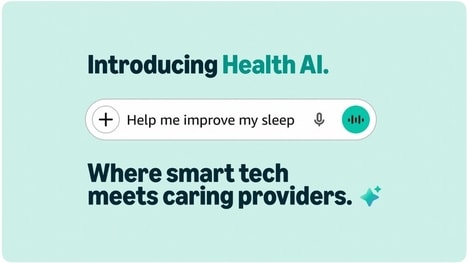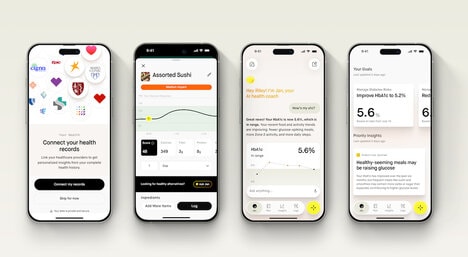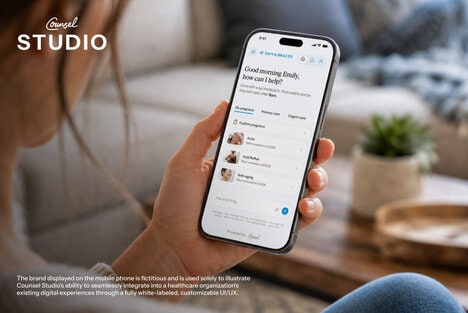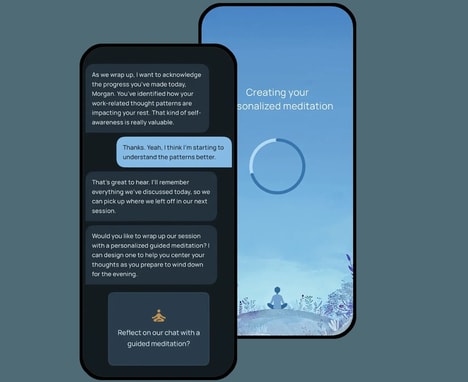
Wearable healthcare integration is advancing personalized medical services as Oura announces plans to acquire Counsel Health, an AI-powered platform supervised by licensed physicians. The integration will connect continuous health information from Oura Ring with medical consultations, allowing users to receive professional guidance directly through the Oura App.
Counsel's medical AI can help interpret laboratory results, address health questions, and recommend appropriate next steps. Physicians can also provide diagnoses, prescribe medications, and request additional testing when necessary. With user permission, doctors can access wearable data and previous conversations, creating a more complete picture of individual health patterns. The acquisition is expected to close near the end of 2026.
For Oura, the agreement creates opportunities to expand beyond health monitoring into personalized medical services. Integrating physician-supported care could strengthen user engagement, while Counsel's existing healthcare partnerships support broader service accessibility.
Image Credit: Oura
What Makes This Trend Stand Out
- Clinician-connected Wearables
- Continuous biometric data paired with physician oversight creates new care models where consumer devices evolve into trusted entry points for diagnosis, prescriptions, and longitudinal health management.
- AI-assisted Health Navigation
- Medical AI supervised by licensed professionals enables faster interpretation of symptoms, lab results, and next steps, reshaping how users access personalized clinical guidance between traditional appointments.
- App-based Preventive Care
- Health apps that combine daily wearable insights with professional consultations broaden the potential for earlier intervention, stronger user retention, and more personalized wellness-to-care pathways.
Sectors Adopting This
- Digital Health
- Platforms blending consumer health tracking with regulated medical services are redefining competitive advantage through integrated data, AI triage, and clinician-backed engagement.
- Wearable Technology
- Smart device makers are moving beyond passive monitoring as connected care features turn sensor data into actionable clinical context and recurring service revenue.
- Telemedicine
- Virtual care providers gain expanded relevance when continuous wearable data informs remote consultations, supporting more precise assessments and deeper personalization across patient interactions.