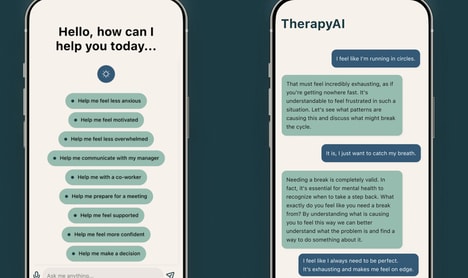

The Path launched a subscription-based AI mental wellness platform designed to provide personalized support through conversations grounded in established therapeutic frameworks. Co-founded by Tony Robbins, former Calm data science and AI leader Anson Whitmer, and Calm engineering founder Tyler Sheaffer, the app differentiates itself through an “anti-validation” approach that challenges users’ thinking patterns rather than automatically reinforcing their perspectives.
The platform incorporates techniques from cognitive behavioral therapy, acceptance and commitment therapy, dialectical behavior therapy and solution-focused brief therapy to guide interactions. To support growth and product development, The Path raised $14.3 million in seed funding led by Prime Movers Lab, with participation from investors including Apolo Anton Ohno, Deontay Wilder and Designer Fund.
For users, the platform offers on-demand access to structured mental wellness support intended to supplement traditional care and reduce barriers to receiving guidance during difficult periods. The launch reflects a broader shift toward clinically informed AI tools that move beyond simple conversational assistance to deliver more proactive and therapeutic digital mental health experiences.
Image Credit: Shutterstock/MLM IMAGES Los Angeles
What Makes This Trend Stand Out
- Subscription-based AI Therapy
- A shift to low-cost subscriptions for always-available AI therapy creates potential to scale preventive and supplemental mental health services beyond traditional appointment models.
- Clinically-informed Conversational Agents
- Integrating evidence-based therapeutic frameworks into chat interfaces opens pathways for AI to deliver structured, protocol-driven interventions with measurable outcomes.
- Anti-validation Therapeutic Models
- Designing AI that challenges users' cognitive patterns instead of affirming them introduces the possibility of more actively transformative digital interventions.
Sectors Adopting This
- Mental Health Care
- Clinical providers and clinics may see AI platforms reshape care delivery by extending therapist-guided frameworks into scalable, between-session support.
- Digital Therapeutics
- Companies developing regulated software-as-medical-devices could leverage AI therapy subscriptions to create validated treatment adjuncts with continuous real-world data streams.
- Insurance and Employee Benefits
- Insurers and employers have an opportunity to redefine covered mental health services by incorporating subscription AI tools as cost-effective preventative or triage solutions.