Powerade is expanding its core sports drink line with 'Watermelon,' a solo take on the fruit after earlier versions featured it in 'Power Water' and a sour lime mix. That gives people choosing a drink for hydration and performance a clearer flavor option in the brand's main range.
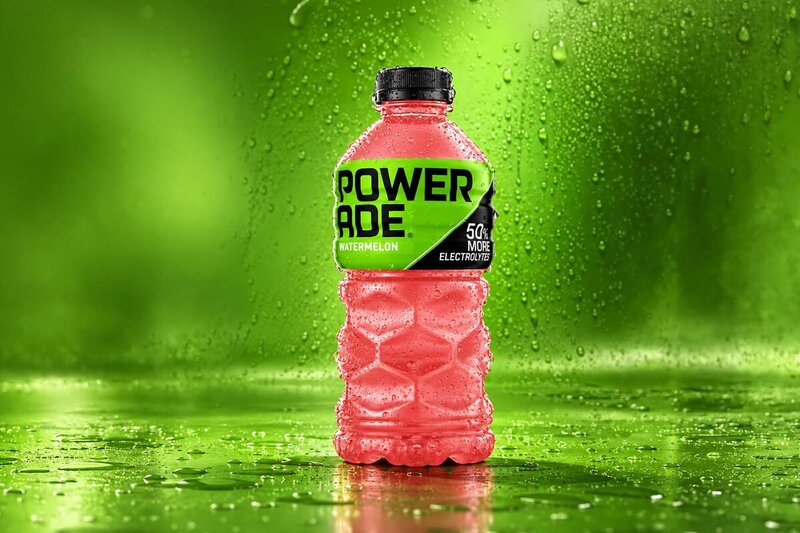
The drink is scheduled to reach the market in January. It keeps the usual bottle format, uses a pink liquid and a bright green label for quick recognition, and carries electrolyte levels promoted as 50% higher than the leading sports drink; it also stays close to Powerade's typically sugary profile.
January timing gives Powerade an easy shelf cue during a seasonal reset, since a single-fruit name is easier to scan than a mashup or sub-line. Keeping watermelon in the flagship range widens the brand's reach beyond buyers who wanted the fruit only in flavored water or a tangier blend.
Image Credit: Stack3d
What Makes This Trend Stand Out
- Single-fruit Hydration
- Clear, standalone fruit flavors create room for sports drink brands to simplify choice architecture while giving familiar ingredients stronger shelf identity.
- Seasonal Shelf Resets
- January product launches can turn routine retail resets into visibility advantages for beverages tied to wellness, fitness, and renewed hydration habits.
- High-electrolyte Positioning
- Electrolyte-forward claims are reshaping mainstream sports drinks by blending performance cues with everyday refreshment appeal.
Sectors Adopting This
- Sports Beverages
- Mainline flavor expansion suggests that established hydration brands can compete through recognizable taste profiles rather than only functional reformulation.
- Retail Grocery
- Bright packaging and simplified flavor naming give grocery channels more scannable products that support faster shopper decisions in crowded beverage aisles.
- Health and Fitness
- Performance-oriented beverage cues connect gym culture with mass-market consumption, expanding the role of hydration products beyond dedicated athletic use.