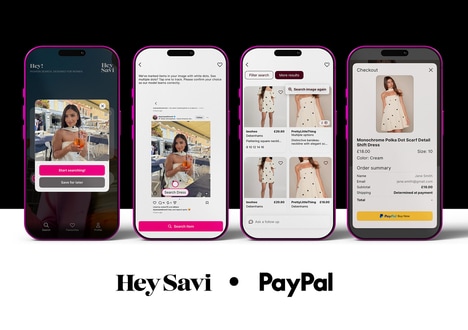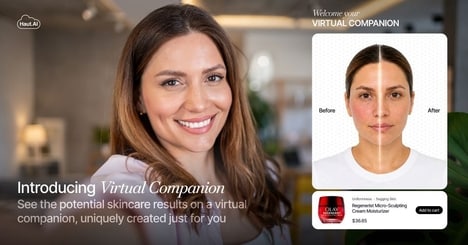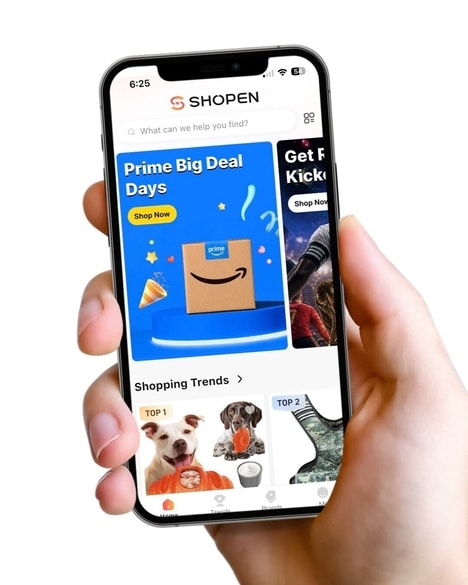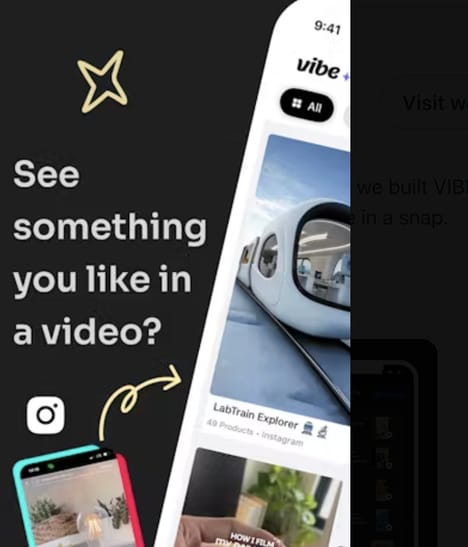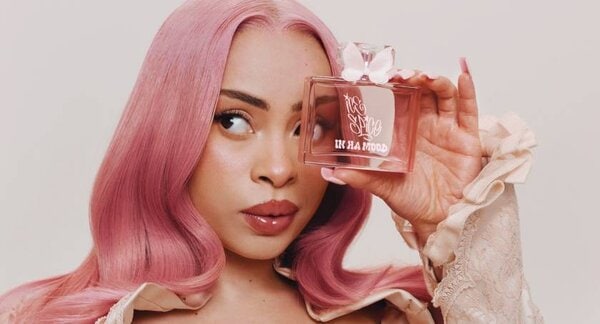

Visual preference commerce is reshaping how consumers discover products by using AI to interpret visual tastes rather than relying on traditional search queries or surveys. Jo Malone London's Scent Scanner analyzes Pinterest boards to identify recurring themes such as color palettes, textures, destinations, and aesthetic preferences, transforming those visual signals into personalized fragrance recommendations. The experience demonstrates how brands can use image-based data to create more intuitive and emotionally resonant shopping journeys. Instead of asking consumers to describe what they want, the technology infers preferences from content they have already curated and saved.
For brands, Visual Preference Commerce offers a new way to connect inspiration with purchasing decisions while improving recommendation accuracy. The model can increase engagement by making product discovery feel more personal and seamless. As AI becomes more capable of understanding visual behavior, beauty, fashion, and lifestyle companies may increasingly use aesthetic data to drive personalization, strengthen customer relationships, and create more direct pathways from discovery to conversion.
Image Credit: Estée Lauder Companies
Key Themes Behind This Trend
- Visual Preference Commerce
- AI interpretation of curated images creates new pathways for translating consumer aesthetics into personalized product recommendations without relying on explicit search or survey inputs.
- Aesthetic Data Personalization
- Consumer-saved visuals offer brands a richer behavioral signal for tailoring experiences around mood, style, color, texture, and emotional affinity.
- Inspiration-to-purchase Journeys
- The connection between social discovery platforms and commerce enables more seamless movement from visual inspiration to relevant product selection.
Where This Applies
- Beauty
- Fragrance, cosmetics, and skincare brands gain new opportunities to match products with personal identity cues drawn from visual taste rather than standard product filters.
- Fashion Retail
- Style preferences embedded in mood boards, outfits, and aspirational imagery can support more intuitive apparel recommendations and individualized merchandising.
- Home Decor
- Interior design and lifestyle retailers can use visual themes such as materials, palettes, and room aesthetics to personalize product discovery across furnishings and decor.