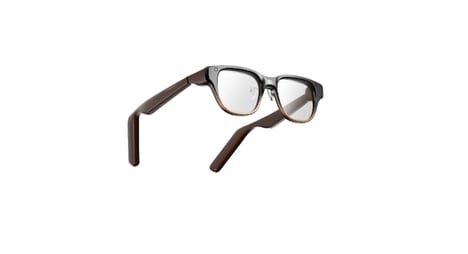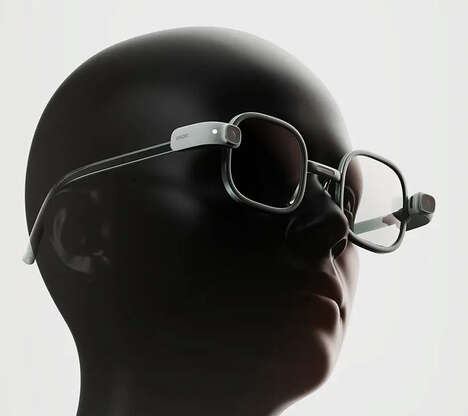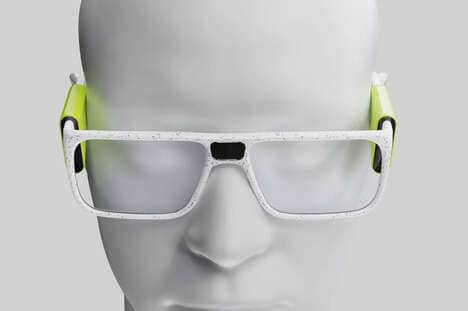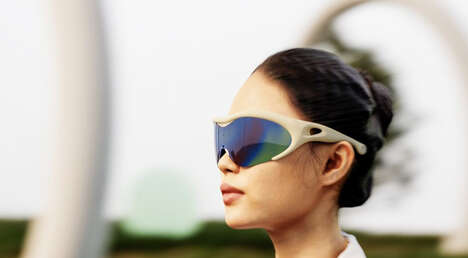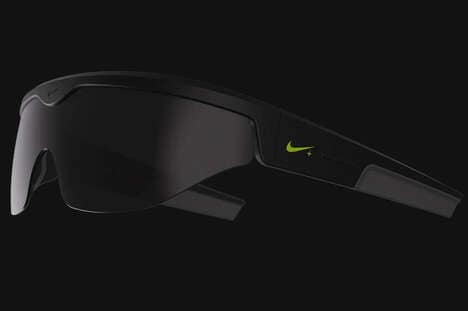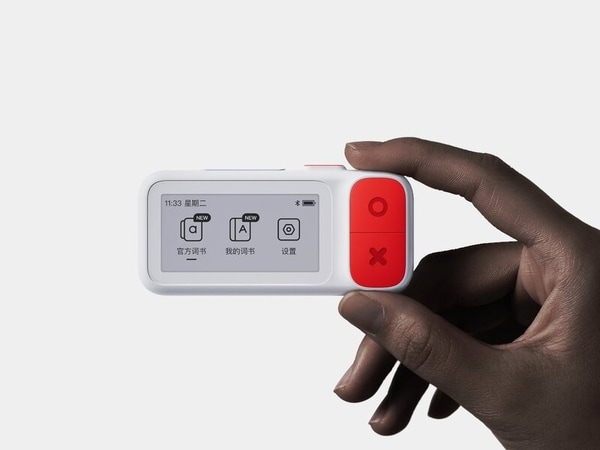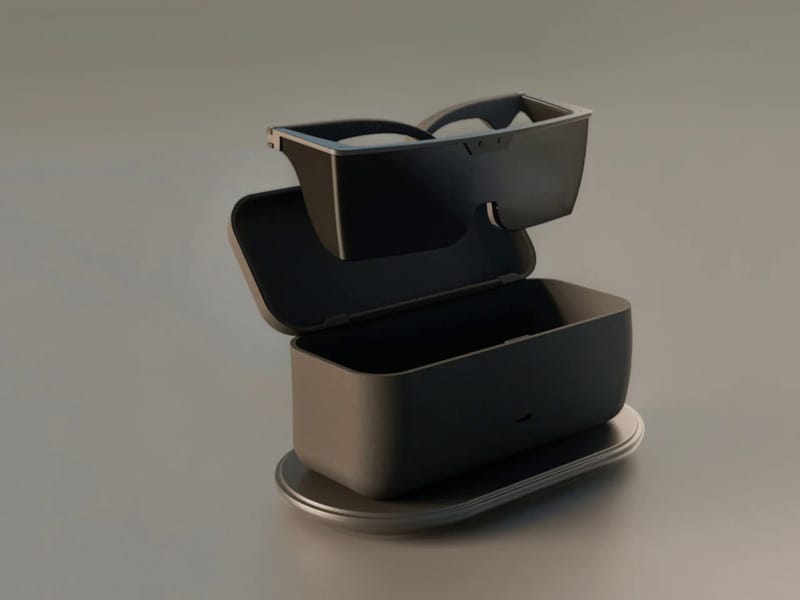
Mauli Rai designs the Vision Aid smart visor concept, which is a representation of thoughtful integration of premium technology in a day-to-day way. The design reimagines how those who are visually impaired would interact with their surroundings and the device transforms the existing technologies into a powerful tool for accessibility. The concept repurposes established technologies to create a wearable device.
The Vision Aid concept is influenced by natural form factors for visual aids, which are glasses. The design essentially has a seamless blend into existing habits without adding any equipment. At the root of the concept is the ToF cameras, which stands for Time of Flight. This is positioned at the top of the forehead with sensors to form a three-dimensional map.
Image Credit: Mauli Rai
What Makes This Trend Stand Out
- Smart Wearable Technology
- Innovations like the Vision Aid smart visor demonstrate the increasing integration of advanced tech into daily wearable devices, promoting functionality and convenience.
- Assistive Devices Transformation
- Transforming traditional visual aids through tech-enhanced designs is reshaping how the visually impaired interact with surroundings, making accessibility more intuitive and seamless.
- 3D Mapping for Accessibility
- Utilizing Time of Flight (ToF) cameras to create detailed three-dimensional maps offers an innovative way to enhance spatial awareness for the visually impaired.
Sectors Adopting This
- Eyewear Technology
- The convergence of eyewear and smart technology is redefining modern vision aids by incorporating sensory and computing capabilities directly into familiar formats.
- Health-tech Wearables
- Developing wearable healthcare technology that merges utility with ease of use is paving the way for more adaptive and personalized patient care solutions.
- Sensor Integration
- Integrating advanced sensors into consumer products enhances functionality across various applications, from health monitoring to environmental interaction.