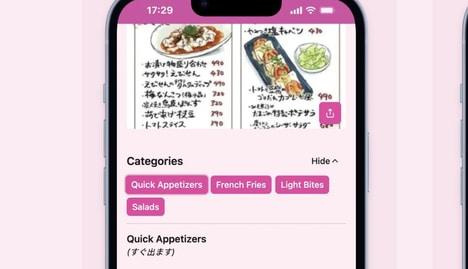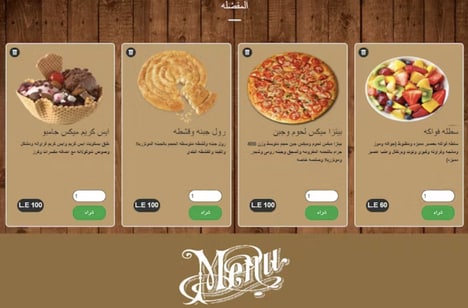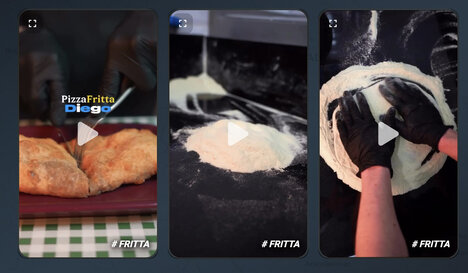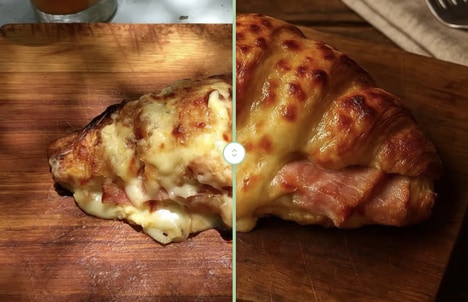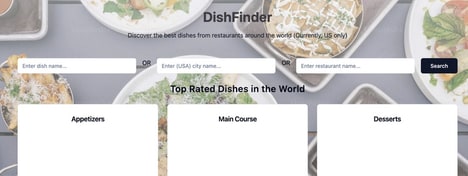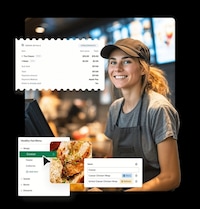
Popmenu created 'Spotlight Menu' for restaurants, combining search engine optimization and answer engine optimization, or tuning content for AI search, with short dish videos. The format is designed to boost a restaurant's visibility in Google and AI results while giving guests a faster visual way to choose what to order.
Menus can blend clips with guest reviews or allergen details, and diners can search dishes using plain-language text prompts. Popmenu already serves more than 12,000 restaurants globally. In a survey of 1,000 U.S. consumers, 82% were more likely to order a dish with video than with a photo alone.
AI text-prompt search and video turn the menu into both a discovery surface and an ordering tool, giving restaurants another way to draw diners away from third-party marketplaces. Across Popmenu's global base, that convergence is raising expectations for menus that work like searchable media rather than static lists.
Image Credit: Popmenu
Why This Trend Is Growing
- Video-first Menus
- Short-form dish videos are reshaping digital menus into immersive decision tools that can increase diner confidence and differentiate restaurant-owned ordering channels.
- AI-searchable Dining
- Plain-language menu search creates room for restaurants to surface dishes by cravings, allergens, occasions, or preferences instead of relying on traditional category browsing.
- Media-rich SEO
- Combining reviews, structured dish data, and video content expands how restaurants can appear in search and AI-generated answers as discovery shifts beyond static web pages.
Industries Being Reshaped
- Restaurant Technology
- Menu platforms are evolving into intelligent content systems that blend ordering, marketing, personalization, and search visibility in one operational layer.
- Foodservice Marketing
- Visual and AI-optimized menu content introduces new ways for brands to convert digital attention into direct orders without depending on third-party marketplaces.
- Search Technology
- The rise of answer engine optimization for local dining highlights demand for searchable multimedia content that can be interpreted by both consumers and AI assistants.