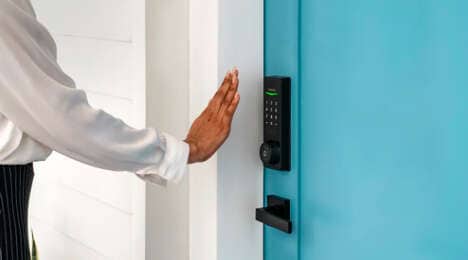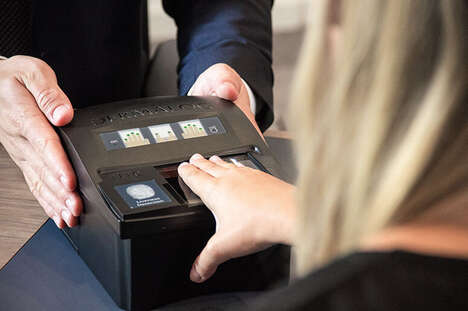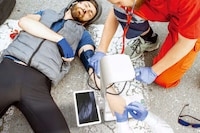


In an effort to expedite the check-in and triage process, Langone Medical Center in New York is phasing out insurance cards and replacing them with vein scanners capable of detecting the unique pattern of your palm.
Patients can forget about filling out forms or waiting for nurses to determine the legitimacy of your insurance info. Instead, new vein scanners from Fujitsu will identify the layout of your hand's blood vessels, save the configuration as a numeric code and attach it to your medical record. Fortunately for those with privacy concerns, the image isn't saved permanently, so the government won't have access to your precious hand pattern.
Simple clerical mistakes cost us about 100,000 lives each year and more than $20 billion in hospital expenses. Not only will these new vein scanners promote efficiency, they'll help avoid dangerous errors. Heck, you don't even have to be conscious for these things to work! Take about a speedy check-in.
Key Themes Behind This Trend
- Vein Scanners
- Hospitals are transitioning from insurance cards to vein scanners for patient check-in, indicating a potential for wider implementation of biometric technology in healthcare.
- Efficient Triage
- Vein scanners provide for quick and error-free check-in, which indicates an opportunity for hospitals and clinics to implement automated triage systems to free up staff time and better serve patients.
- Privacy Concerns
- As hospitals transition to biometric technology for patient identification, privacy concerns will generate a greater need for companies developing secure, privacy-focused biometric technologies.
Where This Applies
- Healthcare
- The healthcare industry will need to consider new ways of streamlining patient identification and check-in through biometric technology that could potentially lower hospital expenses and save lives.
- Biometric Technology
- The vein scanner technology indicates an opportunity in the biometric technology industry to develop safer and more efficient systems that can replace cumbersome insurance cards and paperwork in a healthcare setting.
- Security
- As the healthcare industry and other industries utilise biometric technology for identification purposes, the security industry may need to develop more secure and privacy-focused solutions to protect users.