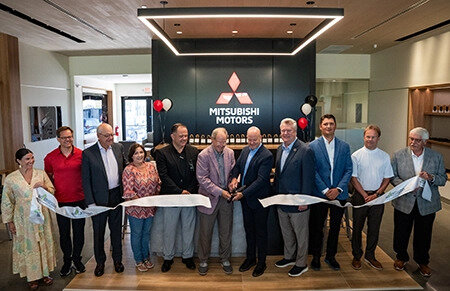
Mitsubishi Motors North America has inaugurated its first U.S. Gallery dealership in Antioch, Tennessee. This move marks a significant departure from the traditional automotive retail model by introducing a modernized, lifestyle-oriented showroom experience designed to meet evolving consumer expectations.
Mitsubishi Motors North America's new U.S. Gallery dealership, which was developed in partnership with City Auto Mitsubishi, is situated within a high-traffic retail development. The showroom itself features an open-concept layout that allows visitors to explore the current vehicle lineup in a relaxed, immersive environment. Visitors are assisted by trained product specialists who provide information. Purchasing is facilitated through the company's ClickShop digital retail platform, while the actual vehicle delivery, sales completion, and ongoing service remain handled by the partner dealership's nearby full-service location.
This Gallery concept represents the first tangible outcome of the company's Momentum 2030 business plan.
Image Credit: Mitsubishi Motors North America
What's Driving This Trend
- Lifestyle Auto Showrooms
- Retail-inspired dealership spaces create more approachable vehicle discovery experiences that merge brand storytelling, convenience, and consumer leisure expectations.
- Hybrid Digital Sales
- Click-to-buy platforms paired with physical product exploration signal new automotive retail models that blend online transaction efficiency with in-person confidence building.
- Decentralized Dealership Footprints
- Satellite gallery locations in high-traffic retail zones expand brand visibility while separating discovery, purchase completion, and service into specialized environments.
Who This Affects Most
- Automotive Retail
- Modern gallery formats reshape dealership economics by prioritizing customer experience, digital conversion, and flexible partnerships with full-service dealer locations.
- Retail Real Estate
- High-traffic shopping developments gain new relevance as automakers seek consumer-facing spaces that function as immersive brand hubs rather than traditional sales lots.
- E-commerce Technology
- Digital retail platforms become central infrastructure for automotive purchases as showroom interactions increasingly transition into seamless online transaction pathways.