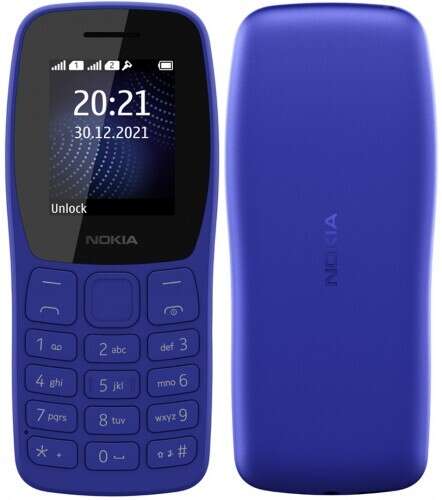
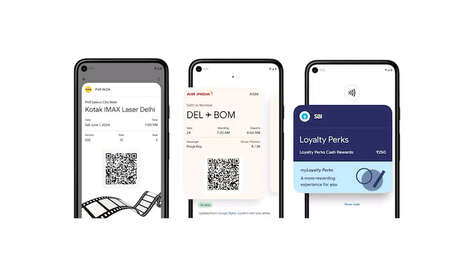
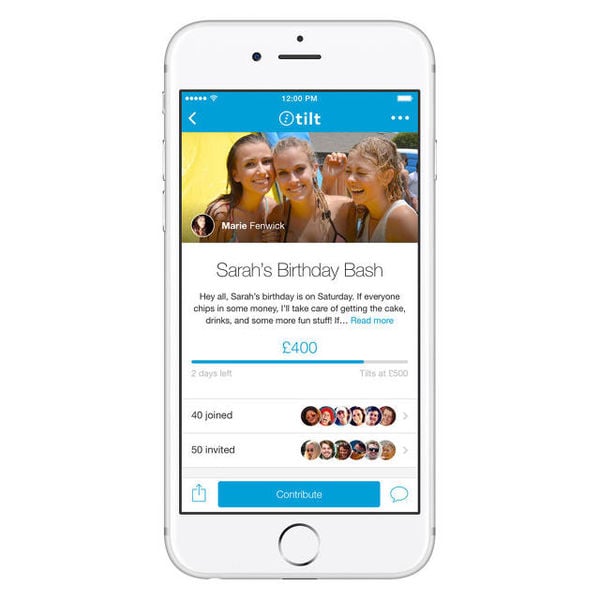
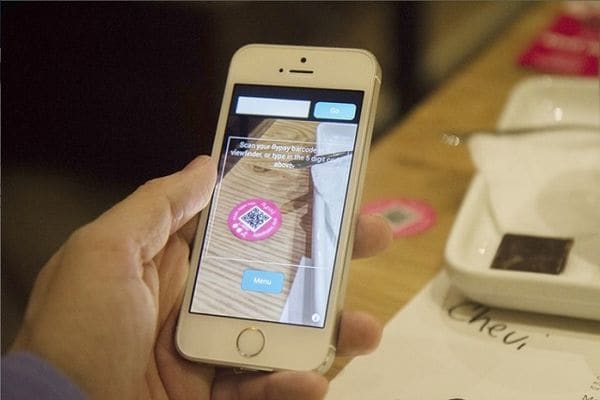
The National Payments Corporation of India (NPCI) has adopted a Unified Payment Interface. This allows customers to use their mobile number in place of bank account details to make a payment over the phone or on the Internet. By simplifying the purchasing path for people, the Unified Payment Interface ensures a user-friendly experience as well as optimal convenience.
A great option for smaller banks that don't have the proper infrastructure to create their own e-wallet, the Unified Payment Interface provides a slew of possibilities. NPCI states, "Whole focus on simplifying payment, idea is to go for largely cashless system. Not changing infra or getting new payment system so we are creating a facility whereby payments products can be launched by banks using imps."
Key Themes Behind This Trend
- Unified Payment Interface
- The introduction of NPCI's Unified Payment Interface has simplified the purchasing path and created possibilities for cashless systems.
- Mobile Payment
- The use of mobile numbers in place of bank account details for payments creates a user-friendly experience and convenience, paving the way for more mobile payment options.
- Simplifying Payment
- The whole focus on simplifying payment creates opportunities for businesses to create innovative solutions that provide a seamless and hassle-free payment experience for customers.
Where This Applies
- Banking
- The Unified Payment Interface has created opportunities for smaller banks to offer e-wallet services without the need for extensive infrastructure investment, enabling them to compete with larger banks.
- Fintech
- The use of mobile numbers as a payment measure opens up opportunities for fintech companies to create new and innovative services that make it easier for people to transact in the digital economy.
- E-commerce
- The Unified Payment Interface streamlines the checkout process, increasing the likelihood that consumers will complete their purchase, which could lead to an increase in e-commerce transactions.